GUIDES
What’s behind every number.
The guides go through the calculator’s upgrades one at a time: why they work, what the tests say and how to do them. Every number has a source.
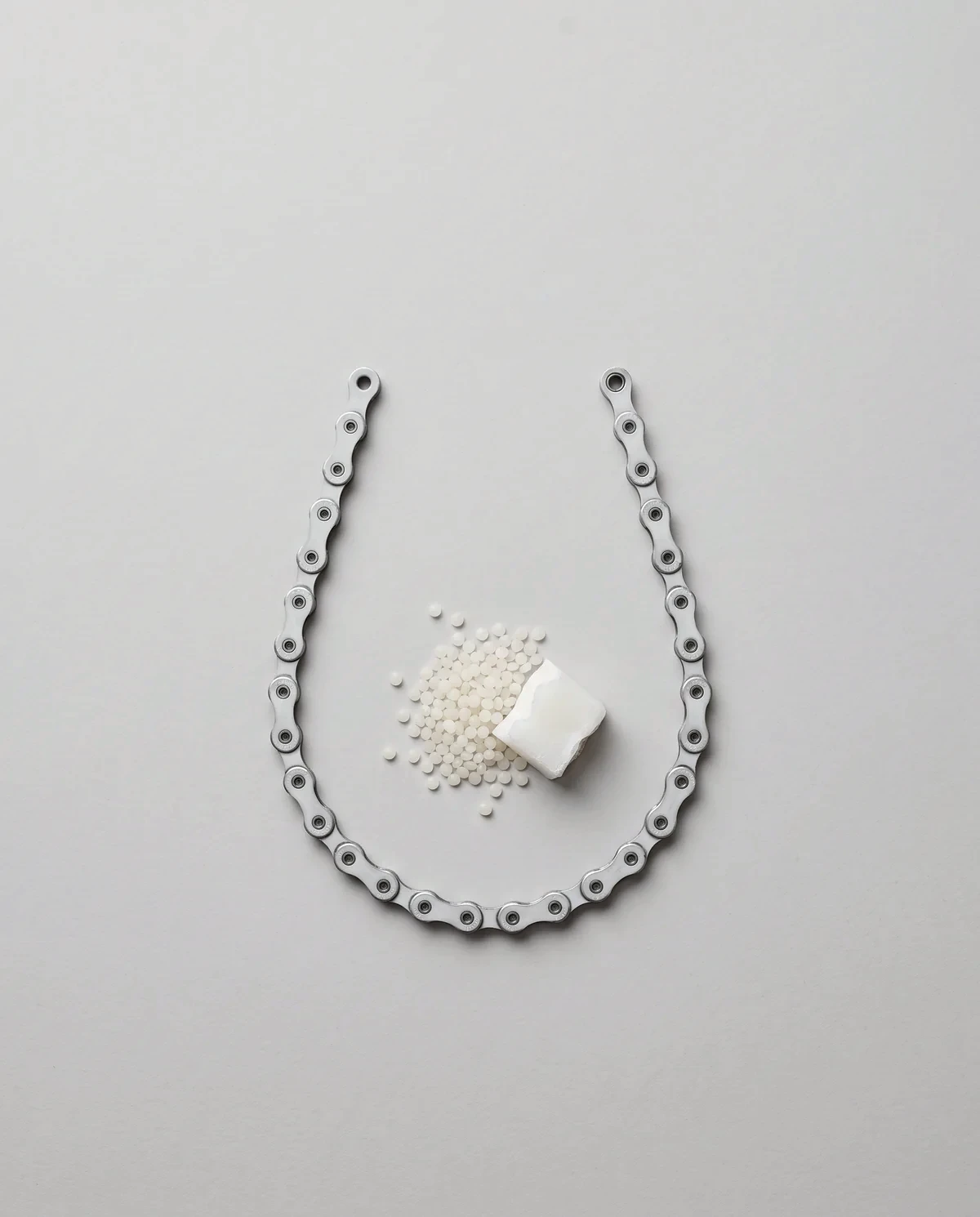
DRIVETRAIN · 16 MIN
Waxed chain, drip wax or oil: how many watts and how to do it
Hot wax, drip wax or oil for your chain: how many watts each is worth and how fast the chain wears out in tests. How to wax it step by step and how often.
Read the guide →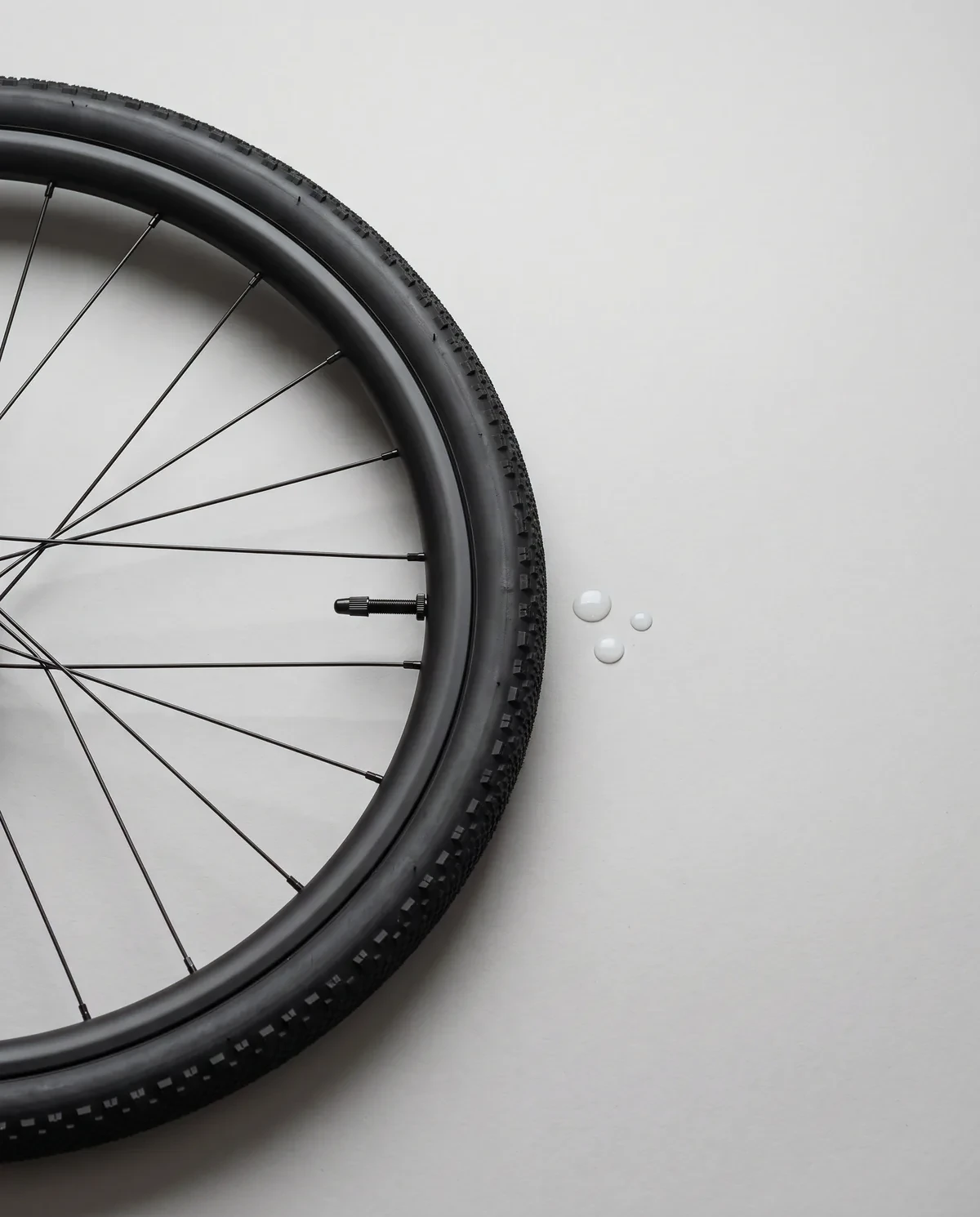
TIRES · 12 MIN
Tubeless: how many watts it saves and how to set it up
Tubeless saves 1.3–3.8 W per tire on the road and 3–5 W on gravel compared with a butyl tube. What the tests say, how to set it up and when to top up sealant.
Read the guide →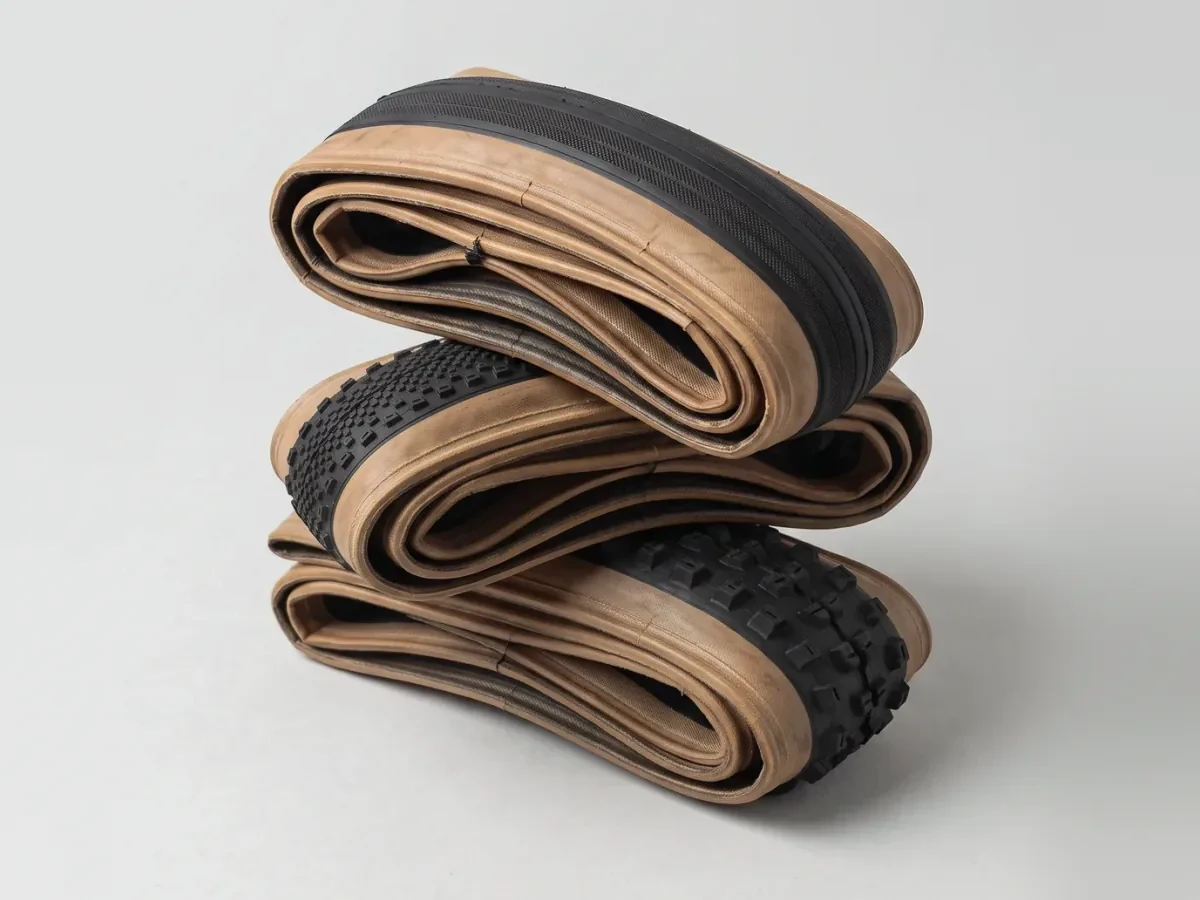
TIRES · 7 MIN
Fast-rolling tires: how many watts they save and how to choose them
In a drum test, a race tire lost 10.8 W less per tire than a puncture-resistant one. Race tires are usually within 2.5 W of each other. Here’s how to choose.
Read the guide →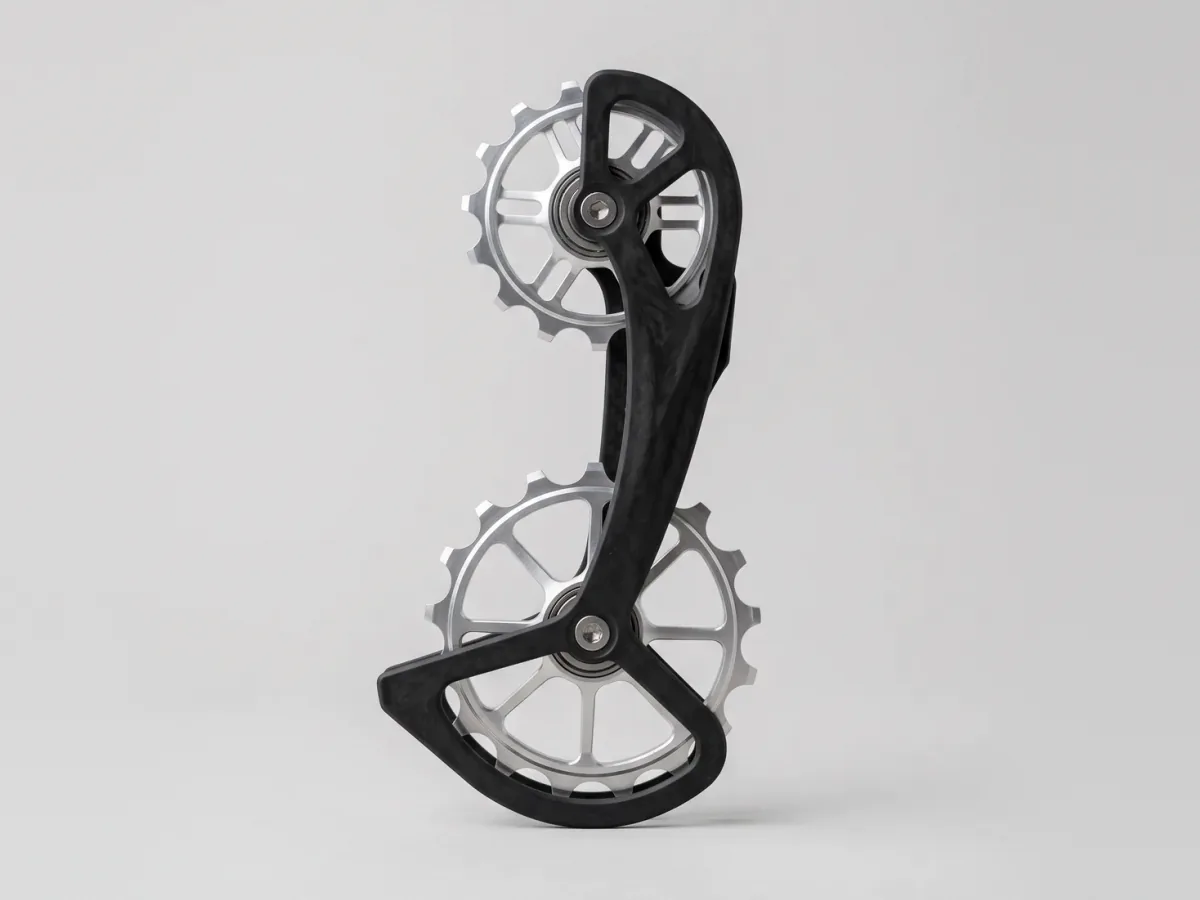
DRIVETRAIN · 13 MIN
Oversized pulleys: how many watts they’re really worth
Oversized derailleur pulleys saved 1.76 W in an independent test, and up to 3 W according to the maker. Test results, how to fit them and when to skip them.
Read the guide →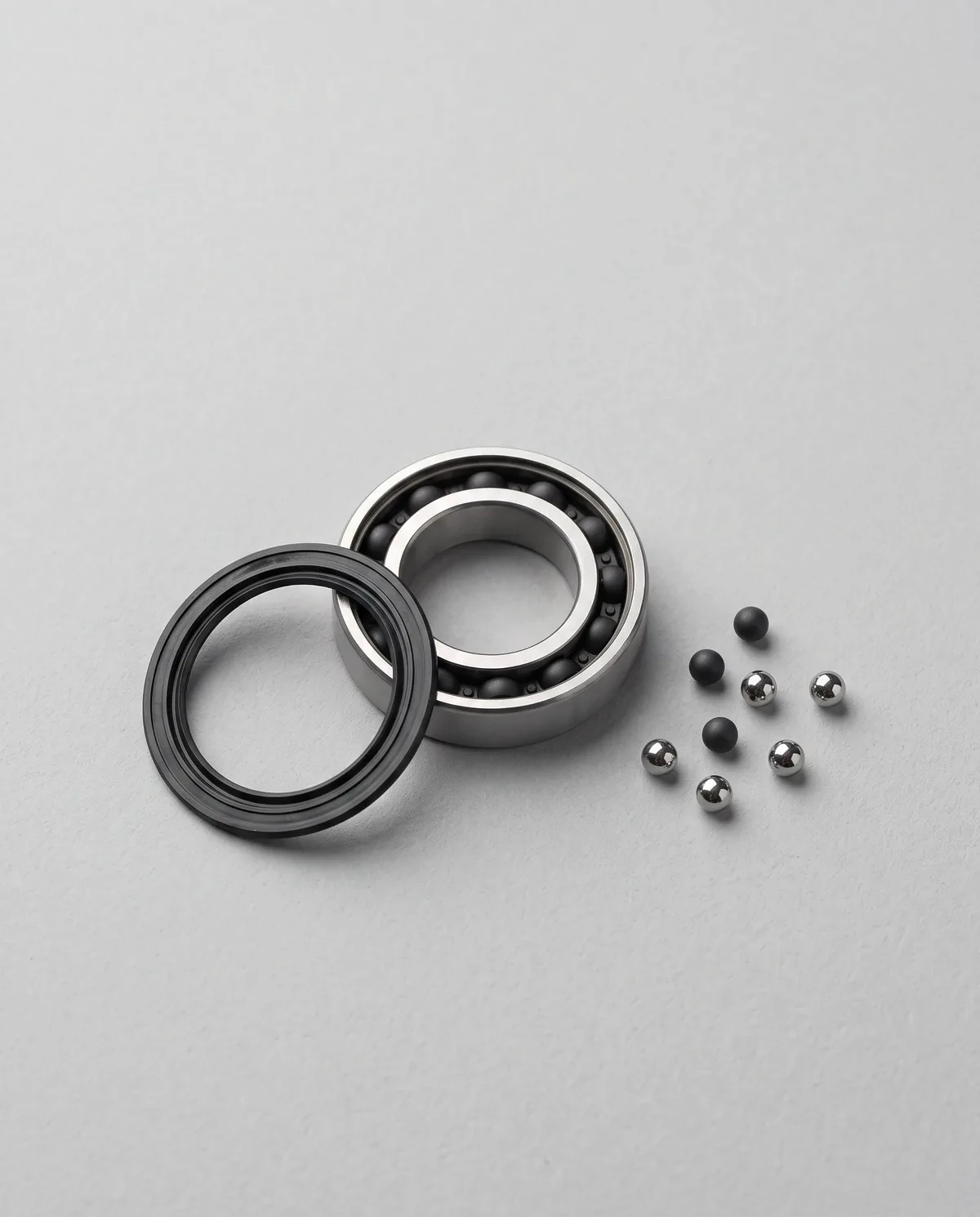
DRIVETRAIN · 13 MIN
Ceramic bearings: how many watts they’re really worth
The best ceramic bottom bracket beat the best steel one by 0.03 W, and there are no independent hub tests. What the tests say and when to skip them.
Read the guide →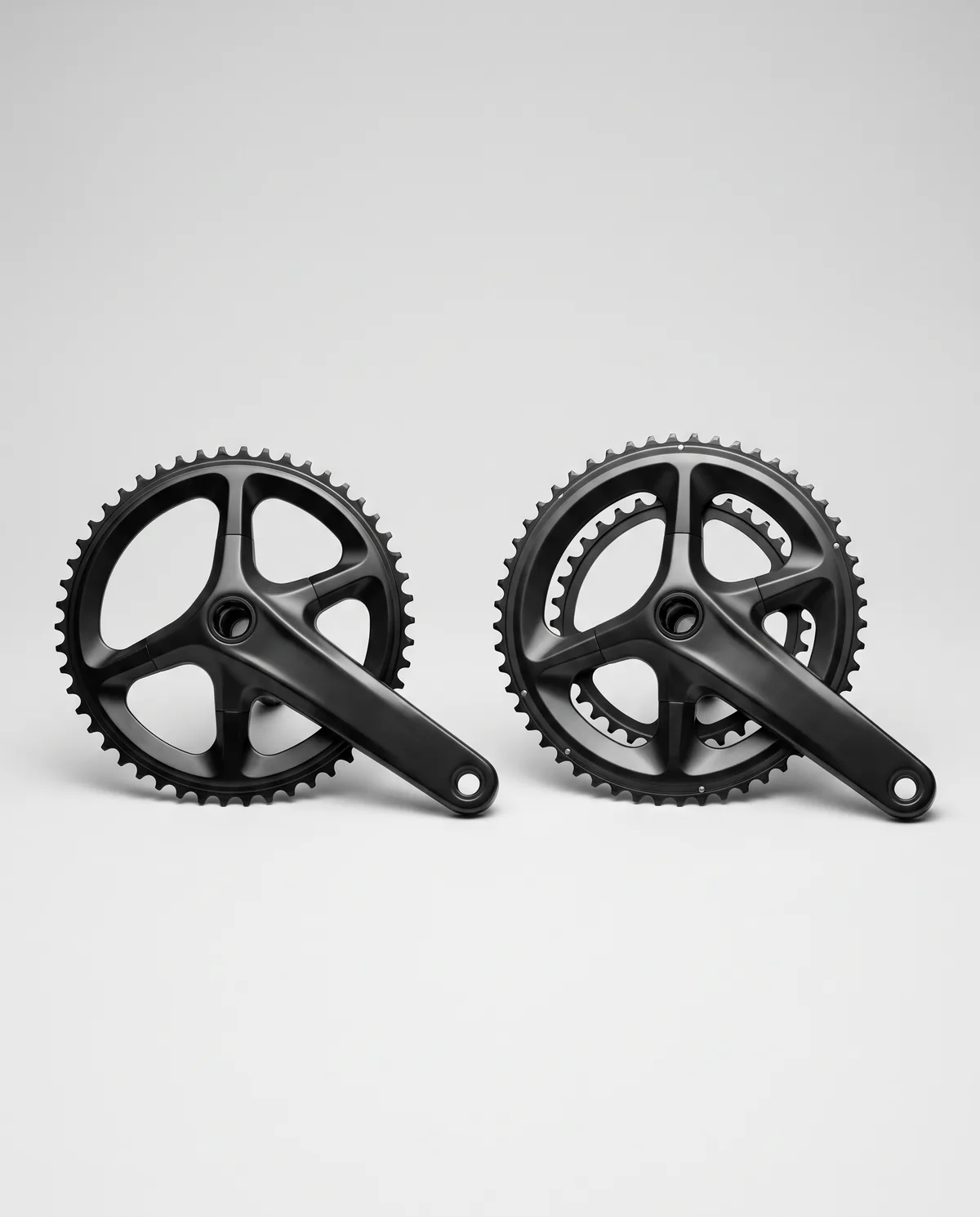
DRIVETRAIN · 7 MIN
1x or 2x: what cross-chaining costs
In a lab test at 250 W, a 1x lost 2.8 W more than a double on average. What cross-chaining costs and what it means in seconds on road, gravel and MTB.
Read the guide →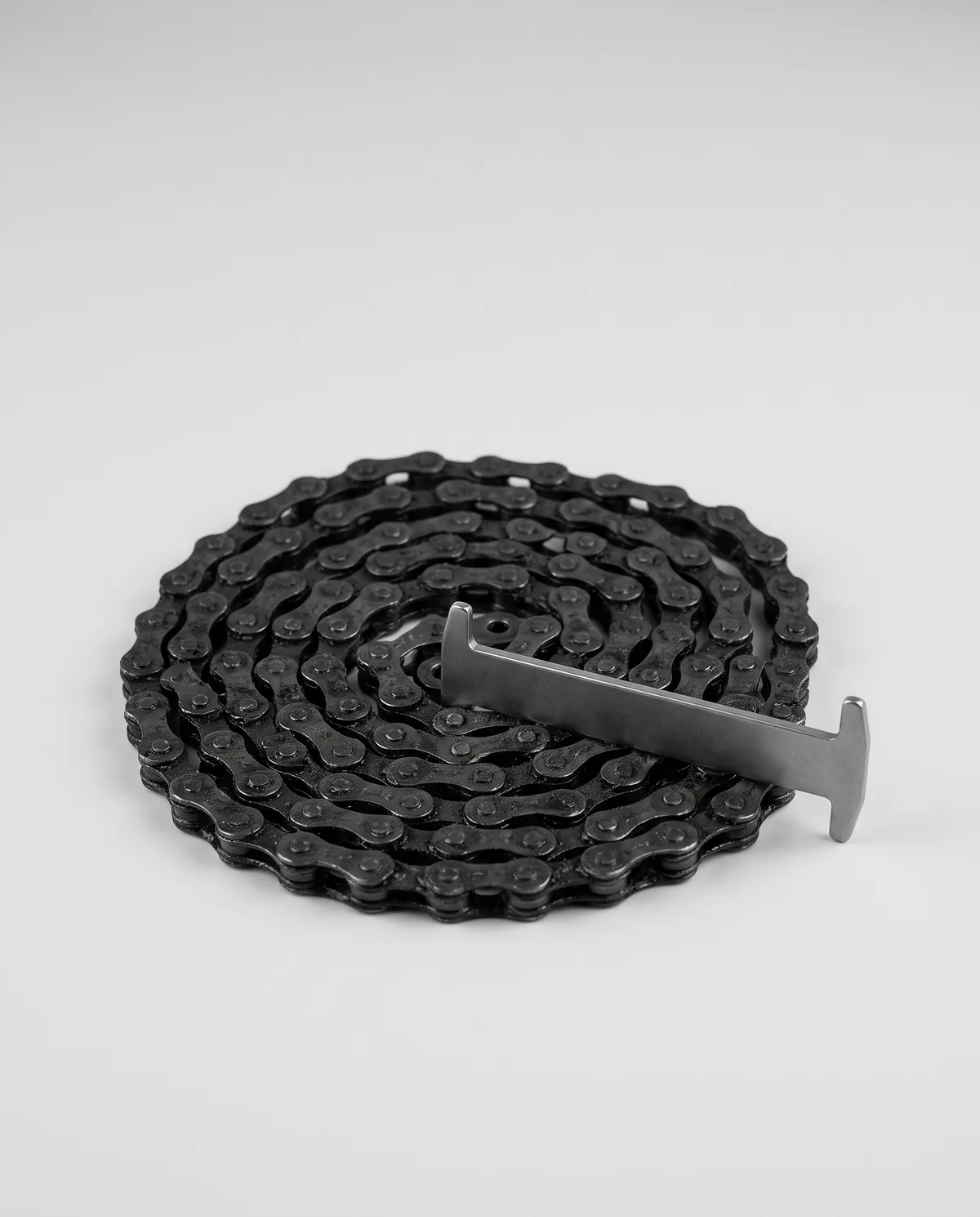
DRIVETRAIN · 5 MIN
Maintenance that costs you watts
After an hour of dirt and water, most lubes made the chain lose about 2 W more at 250 W. Chain wear, bearings, the cost in seconds and what to check.
Read the guide →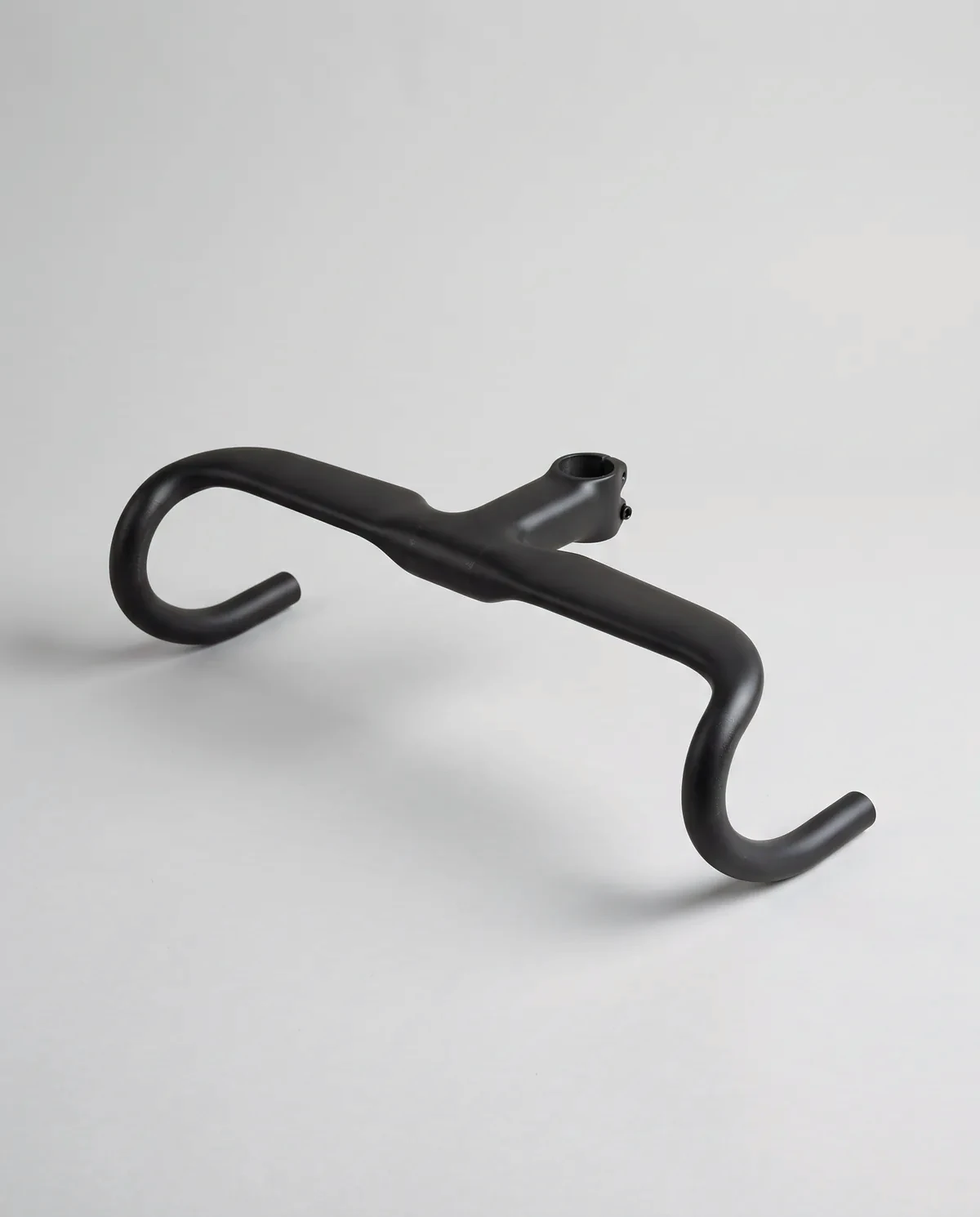
AERODYNAMICS · 12 MIN
Aero handlebar and bottle: what the aero parts of your bike are worth
Makers claim 4–5 W for an aero handlebar. At 45 km/h (28 mph), a round bottle cost 3.4 W and an aero one almost nothing. What the tests say and how to choose.
Read the guide →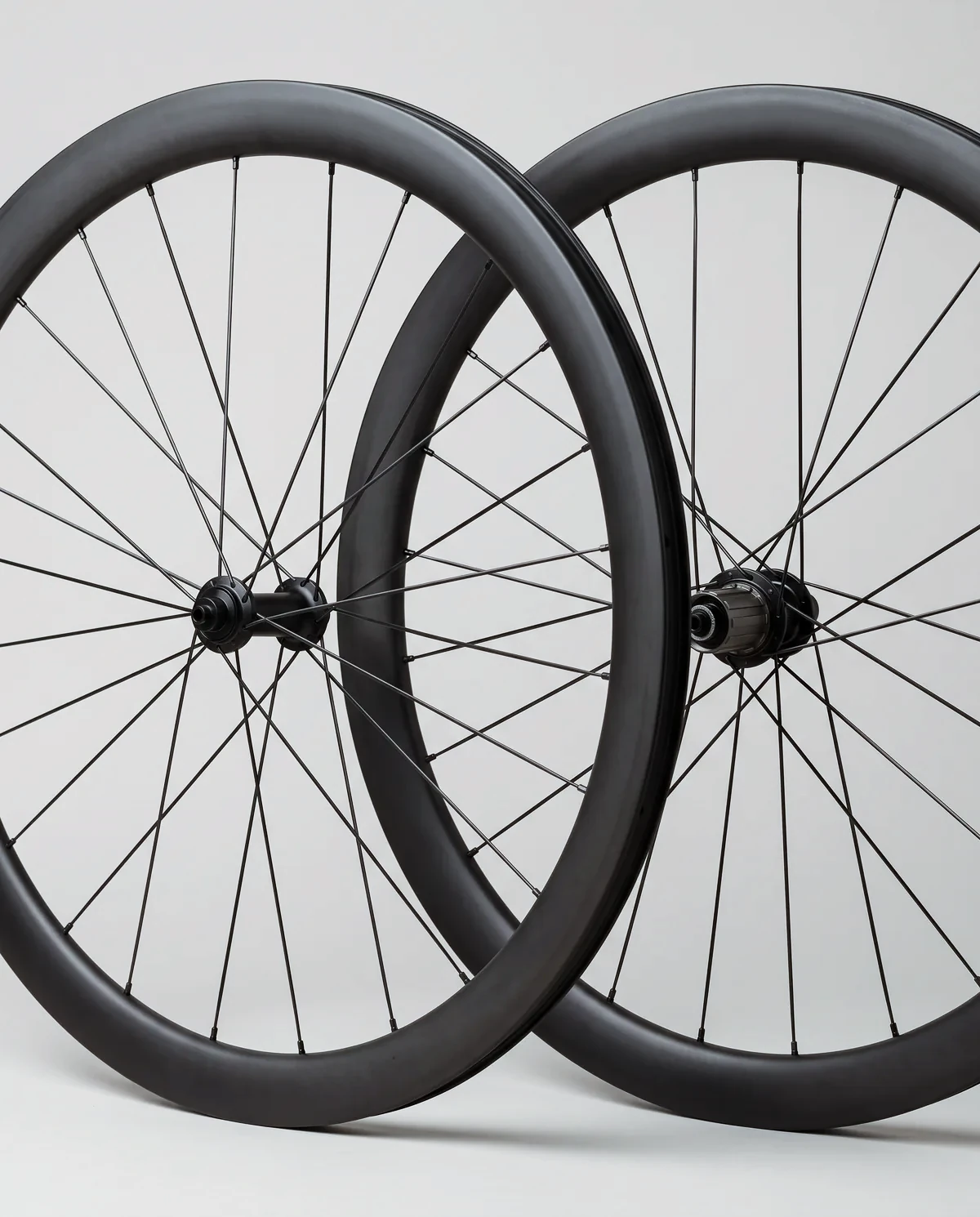
WHEELS · 13 MIN
Carbon wheels: what rim depth and weight are worth
50 mm wheels saved 5.9 W at 40 km/h (25 mph) in the wind tunnel, with a rider. Here’s how depth, weight and inertia matter and when top-end wheels pay off.
Read the guide →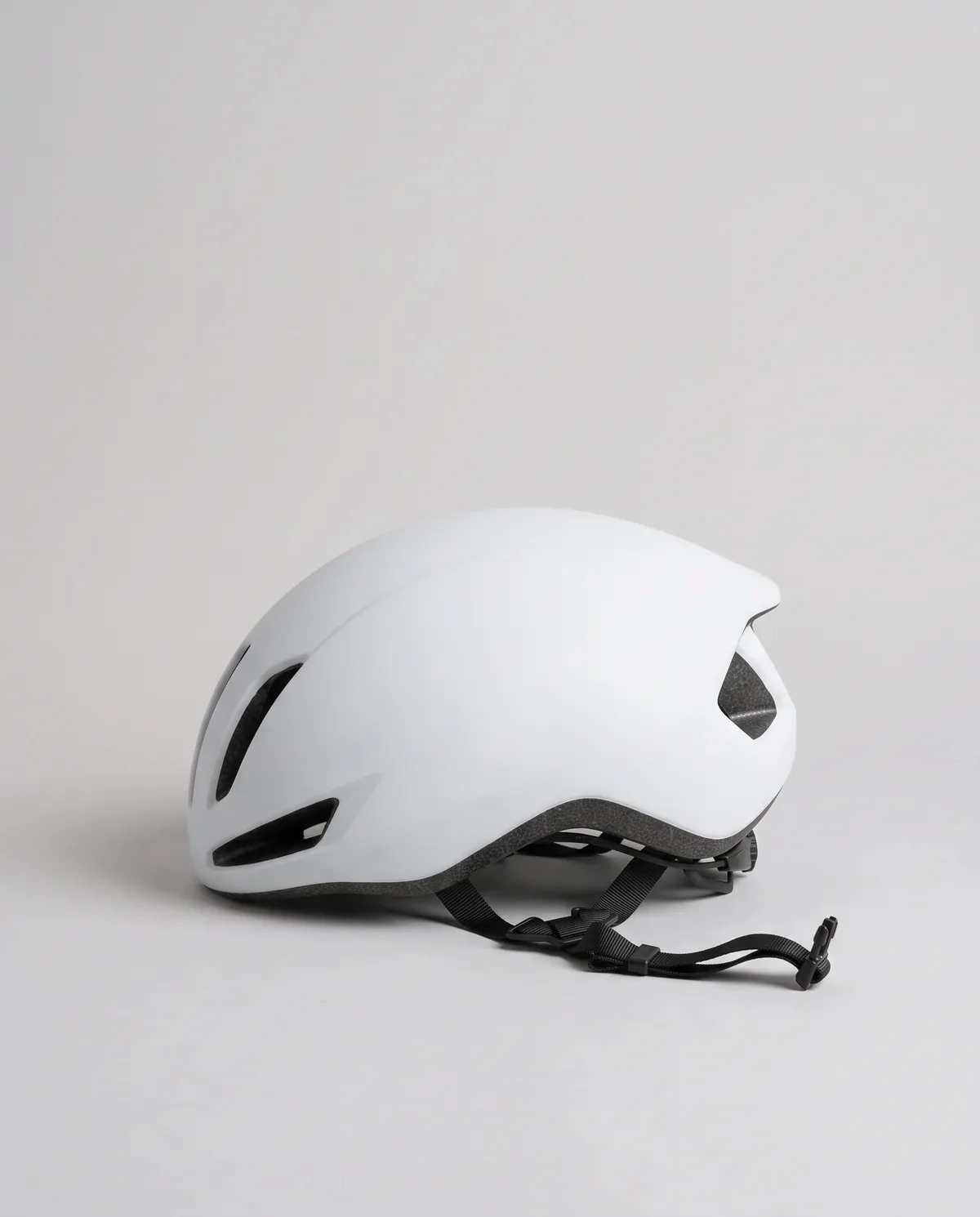
CLOTHING · 12 MIN
Aero helmet: how many watts it saves and when it’s worth it
In the wind tunnel, the fastest aero helmets saved 6–8 W at 40 km/h (25 mph) over a budget helmet. When one pays off, how hot it runs and how to choose.
Read the guide →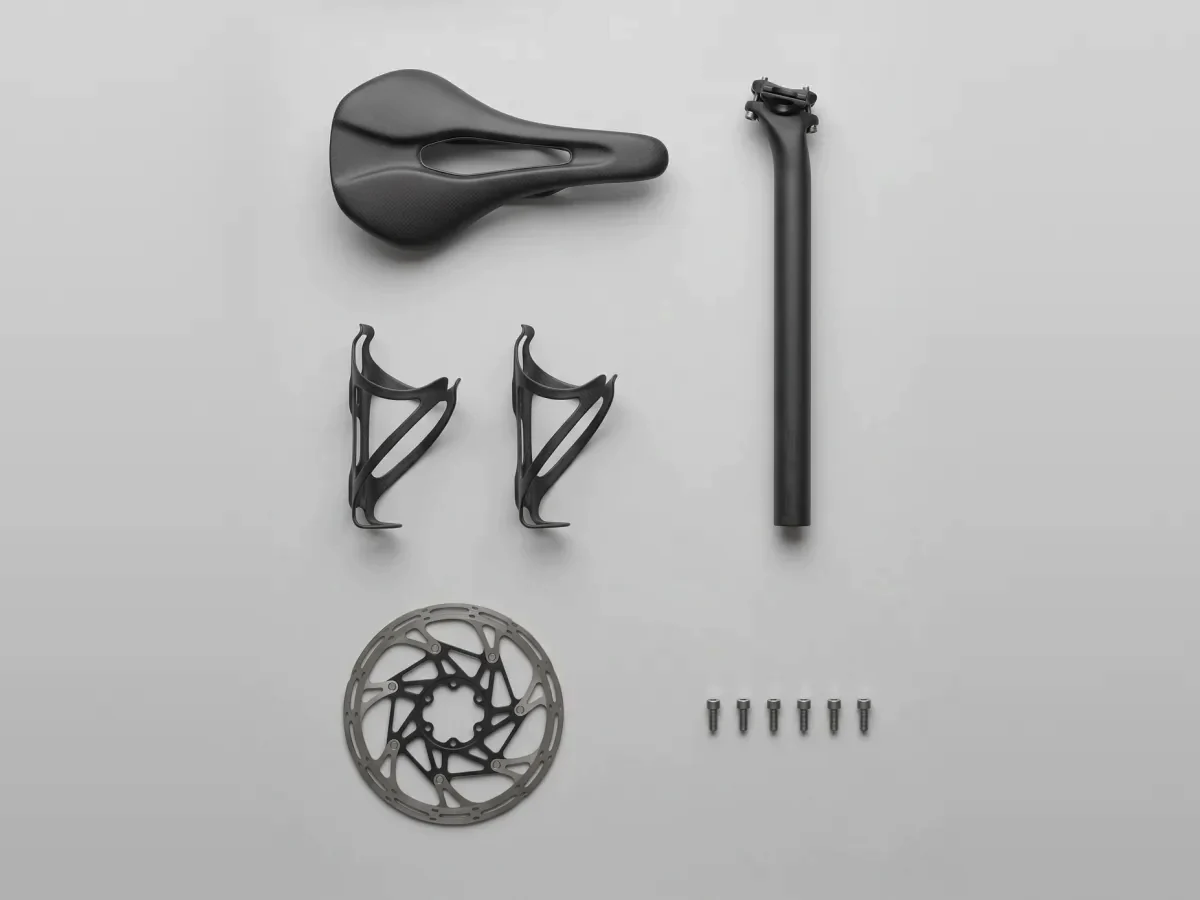
WEIGHT · 16 MIN
Lightening your bike: what a gram is worth
What 1 kg less is worth on climbs and on the flat, what saving 100 g costs for each part and what to lighten first. With sources and torque specs.
Read the guide →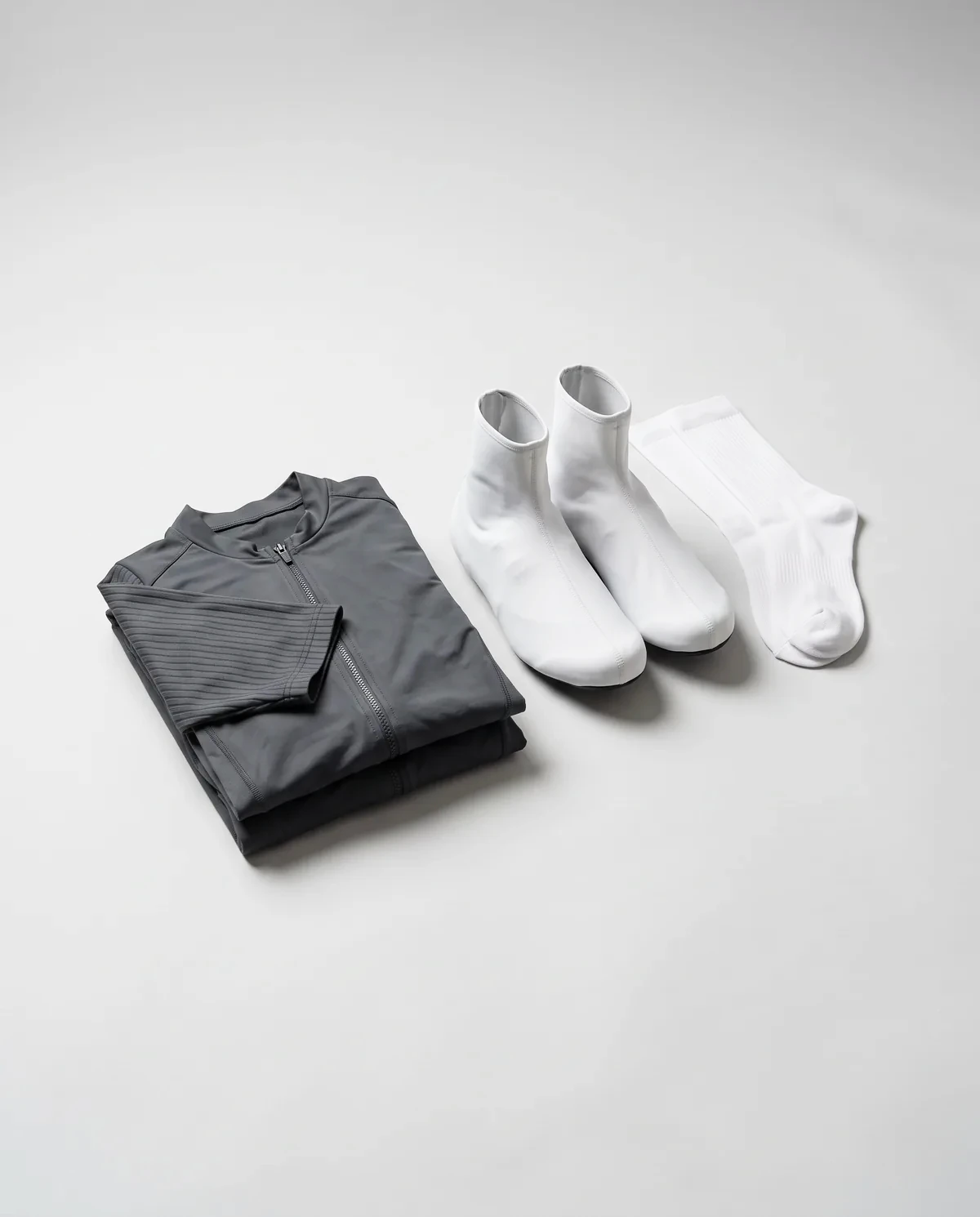
CLOTHING · 16 MIN
Aero clothing: how many watts you save with a jersey, skinsuit, shoe covers and socks
How many watts a close-fitting jersey, skinsuit, aero base layer, shoe covers and aero socks save in wind tunnel tests, plus sizing and when to skip them.
Read the guide →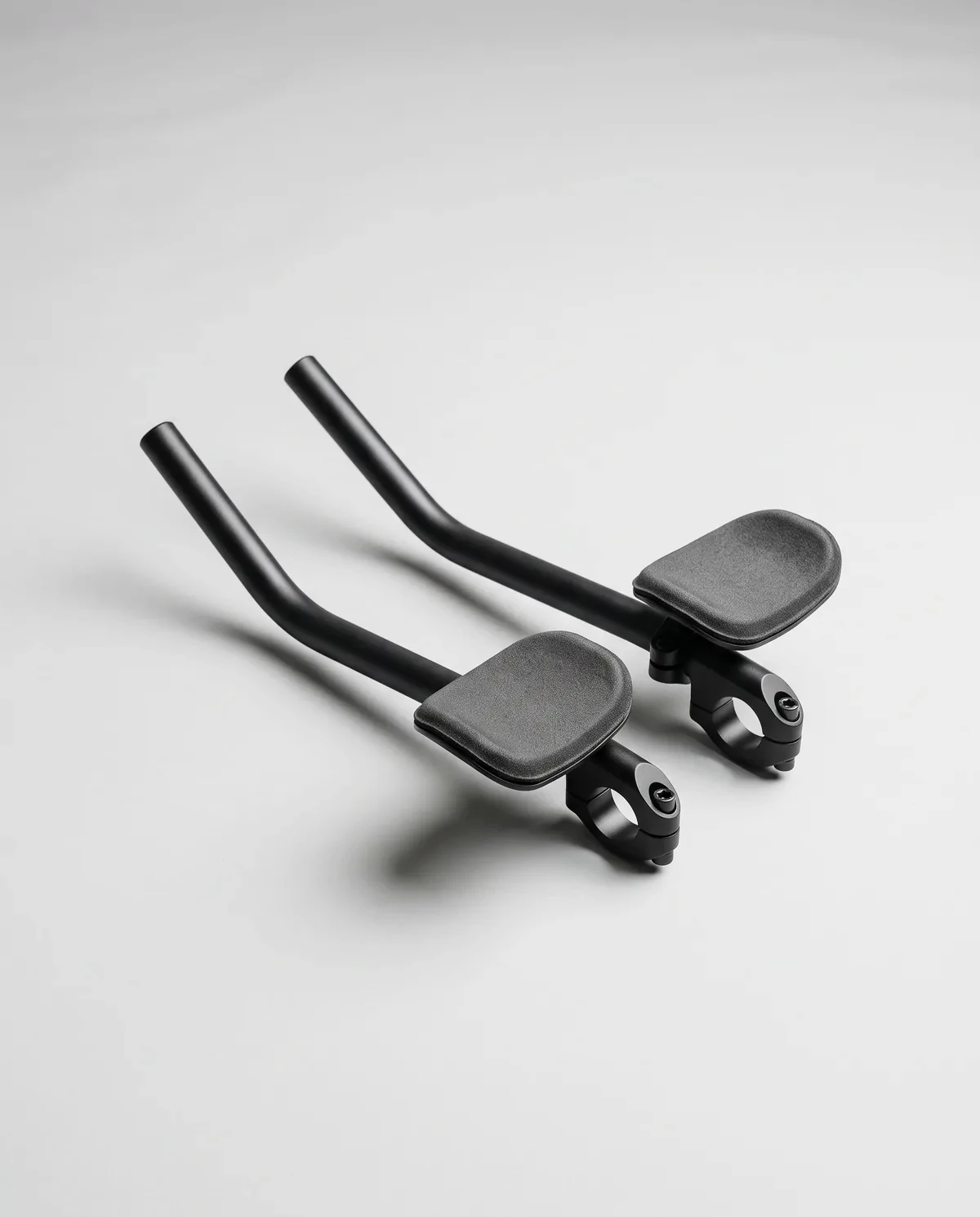
TIME TRIAL AND TRIATHLON · 11 MIN
Clip-on aero bars: what they’re worth and when you can use them
On a road bike, clip-on aero bars were worth 29–31 W at 35 km/h (22 mph) in the wind tunnel. Here’s what the tests show, how to set them up and the rules.
Read the guide →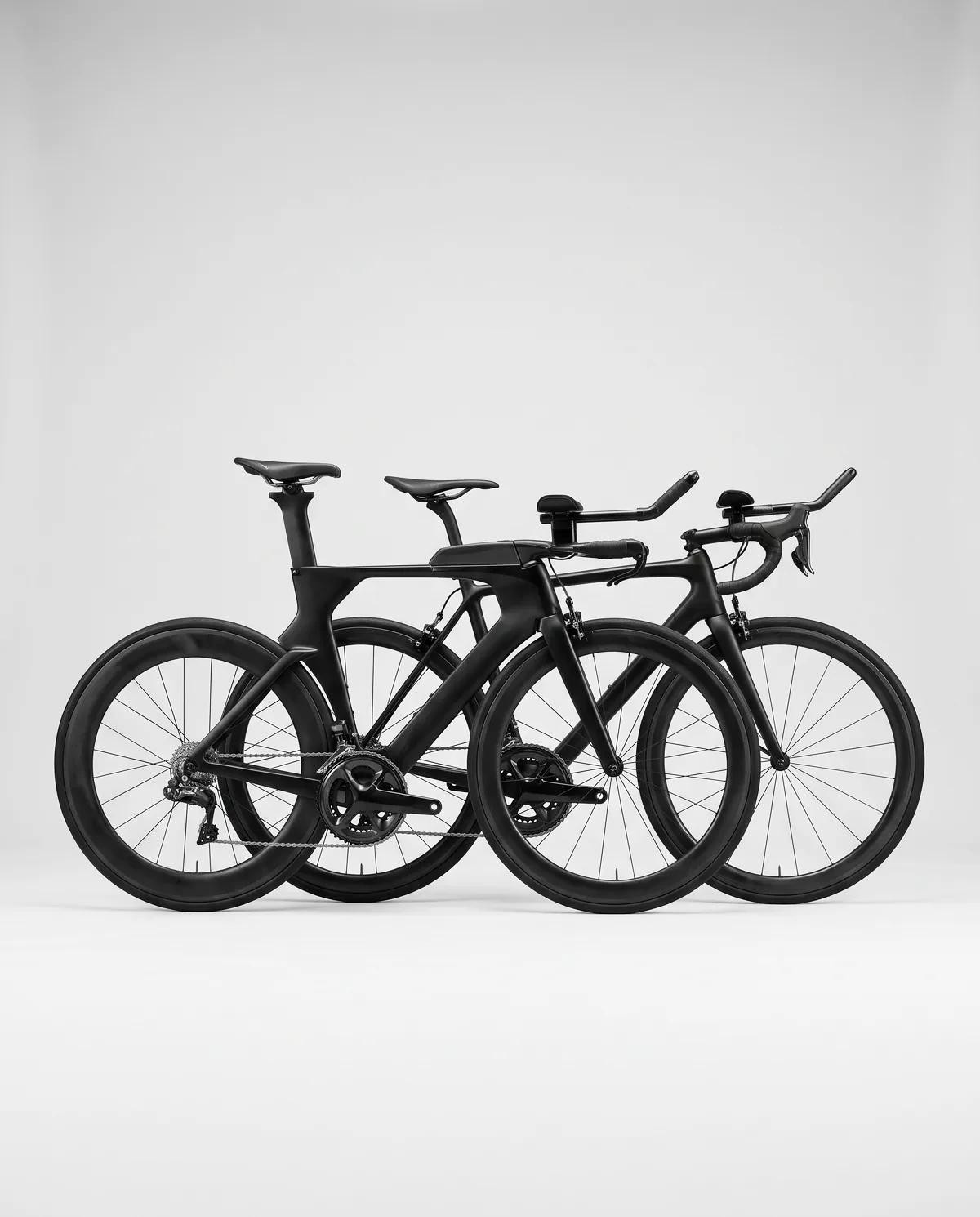
TIME TRIAL AND TRIATHLON · 6 MIN
Time trial bike or road bike with aero bars
A time trial bike was worth 3–4 to about 19 W at 40 km/h (25 mph) in the wind tunnel, mostly from position. Here’s when it pays off in a triathlon.
Read the guide →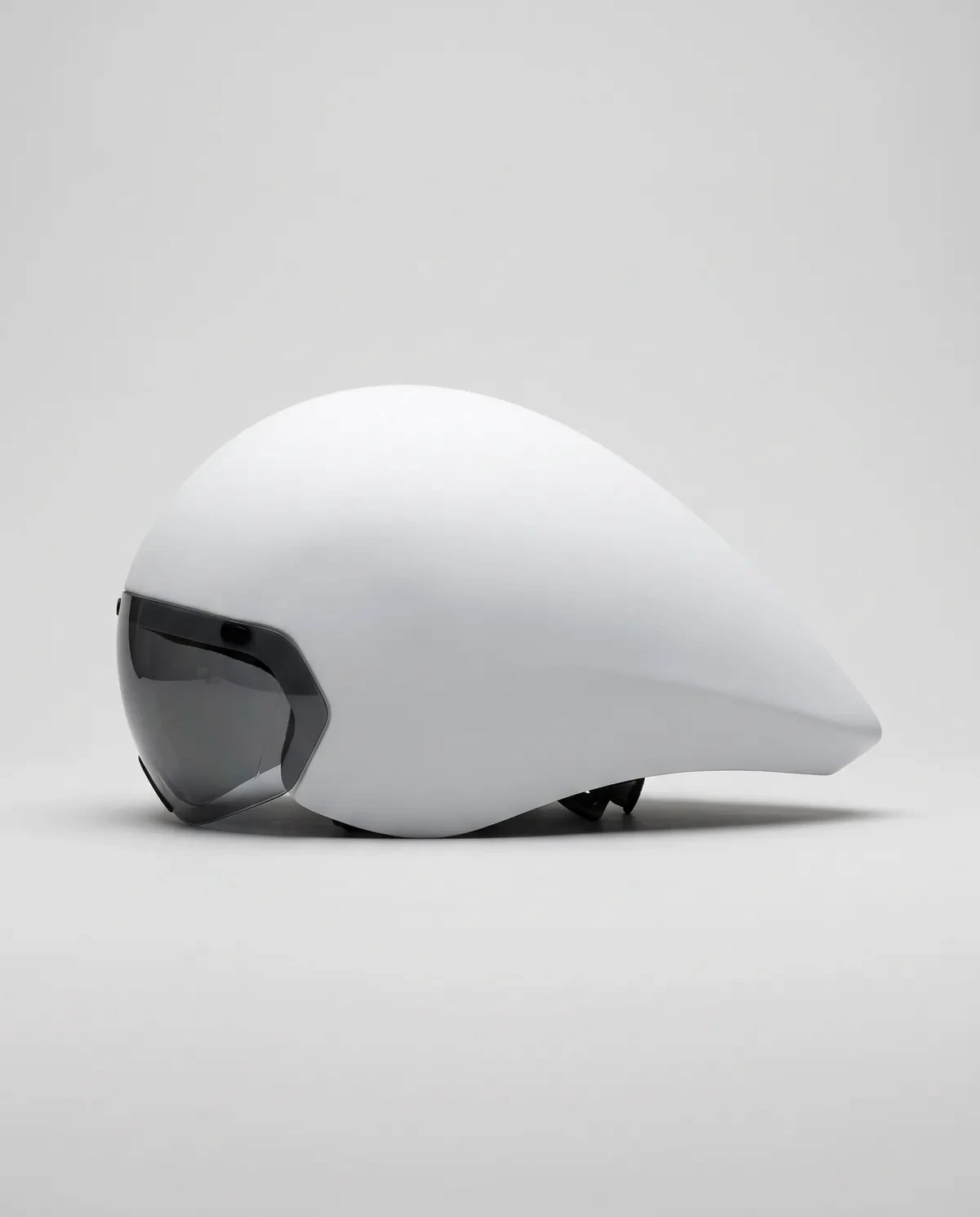
TIME TRIAL AND TRIATHLON · 10 MIN
Time trial helmet: how many watts it saves and when it’s worth it
Three time trial helmets saved 8–11 W at 40 km/h (25 mph) over a road helmet in the wind tunnel. We also cover head position, heat, the rules and fit.
Read the guide →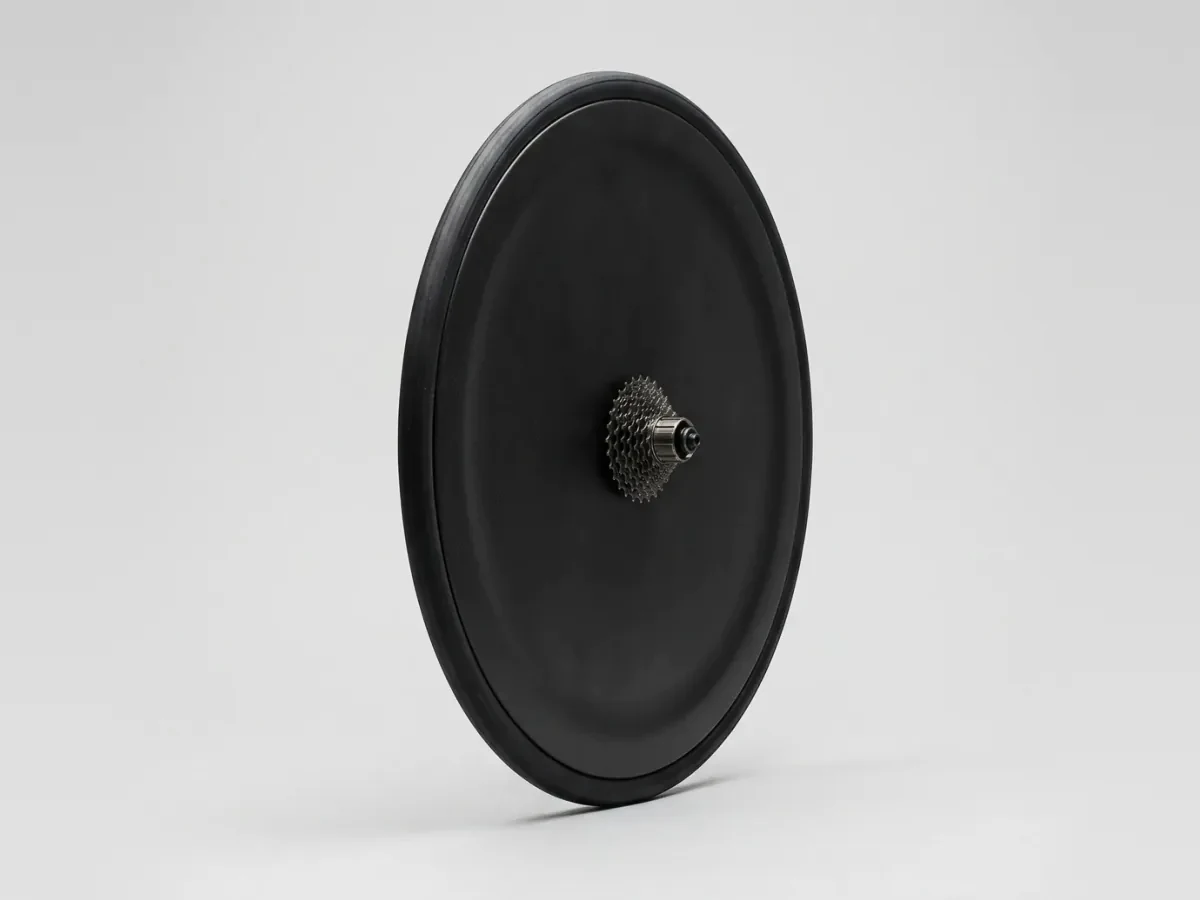
TIME TRIAL AND TRIATHLON · 10 MIN
Disc wheel and deep front wheel: what they’re worth in time trials
On the example time trial, a disc wheel is worth about 1'20" and a deep front wheel about 48 seconds. What the tests found, plus crosswinds and race rules.
Read the guide →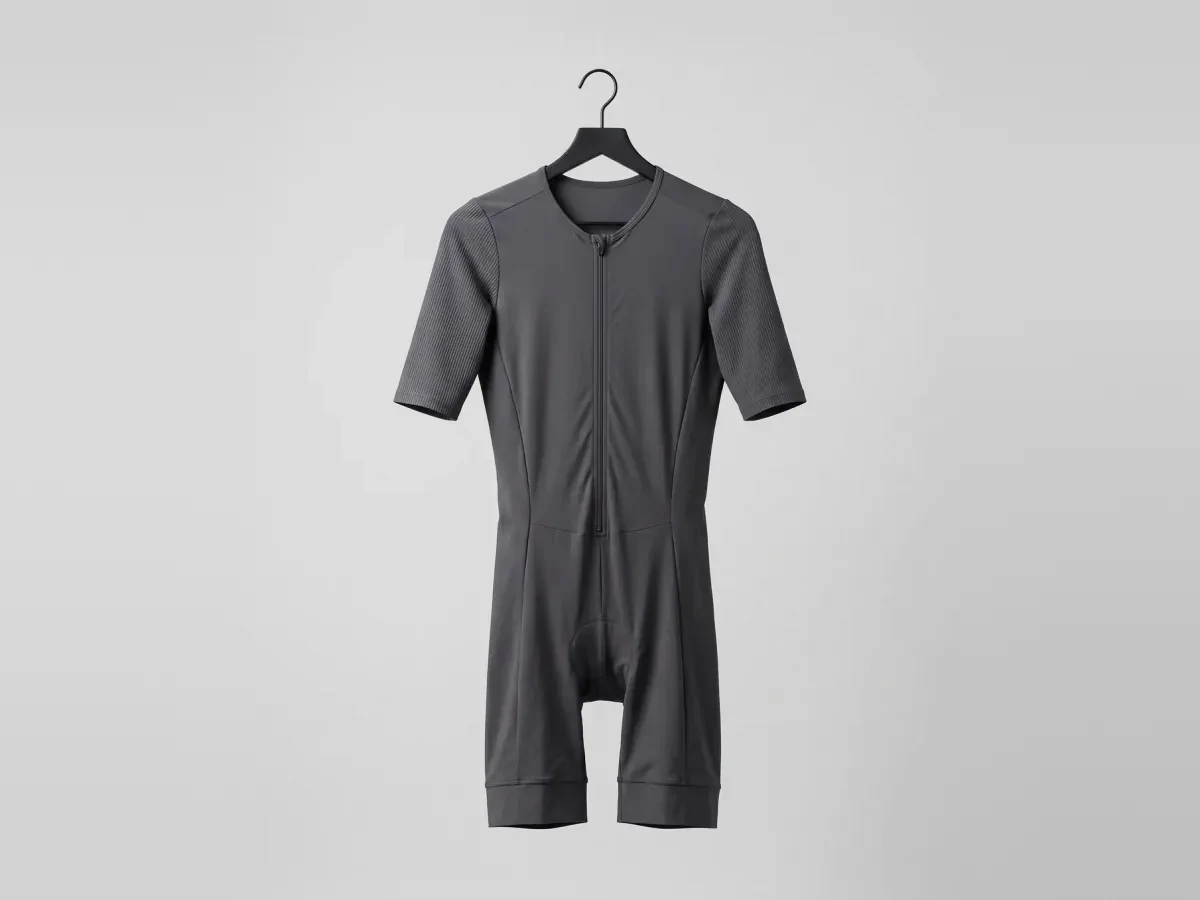
TIME TRIAL AND TRIATHLON · 9 MIN
Tri suit with sleeves: what it’s worth and when it pays off
On the example time trial, an aero tri suit with sleeves is worth about 1'10" over a basic sleeveless suit. What the tests say, plus sizing and heat.
Read the guide →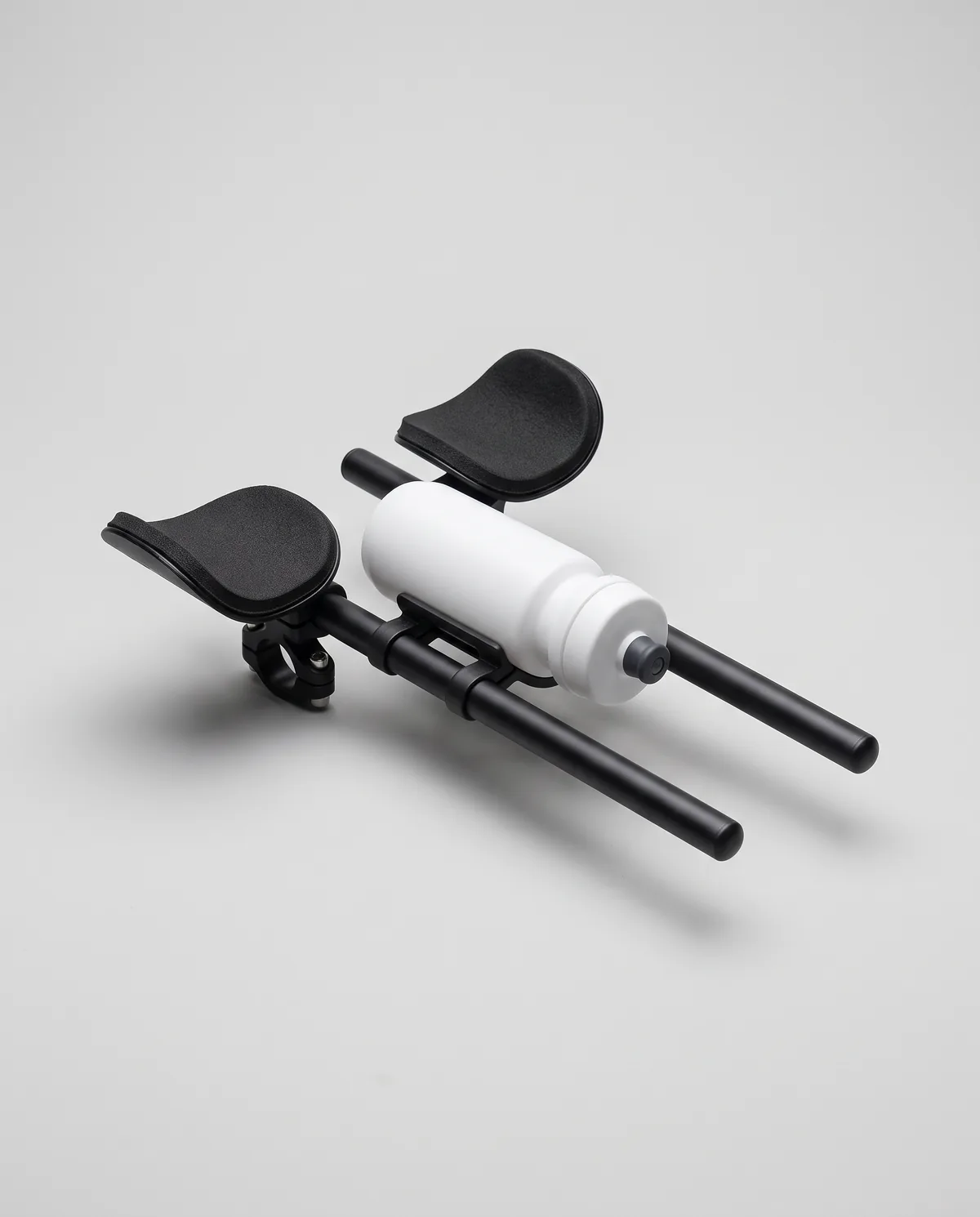
TIME TRIAL AND TRIATHLON · 7 MIN
Bottle between the aero bars: where to carry it in a time trial
On the example time trial, a bottle between the aero bars saves about 43 seconds over one on the down tube, for €45. We also cover rear mounts and race rules.
Read the guide →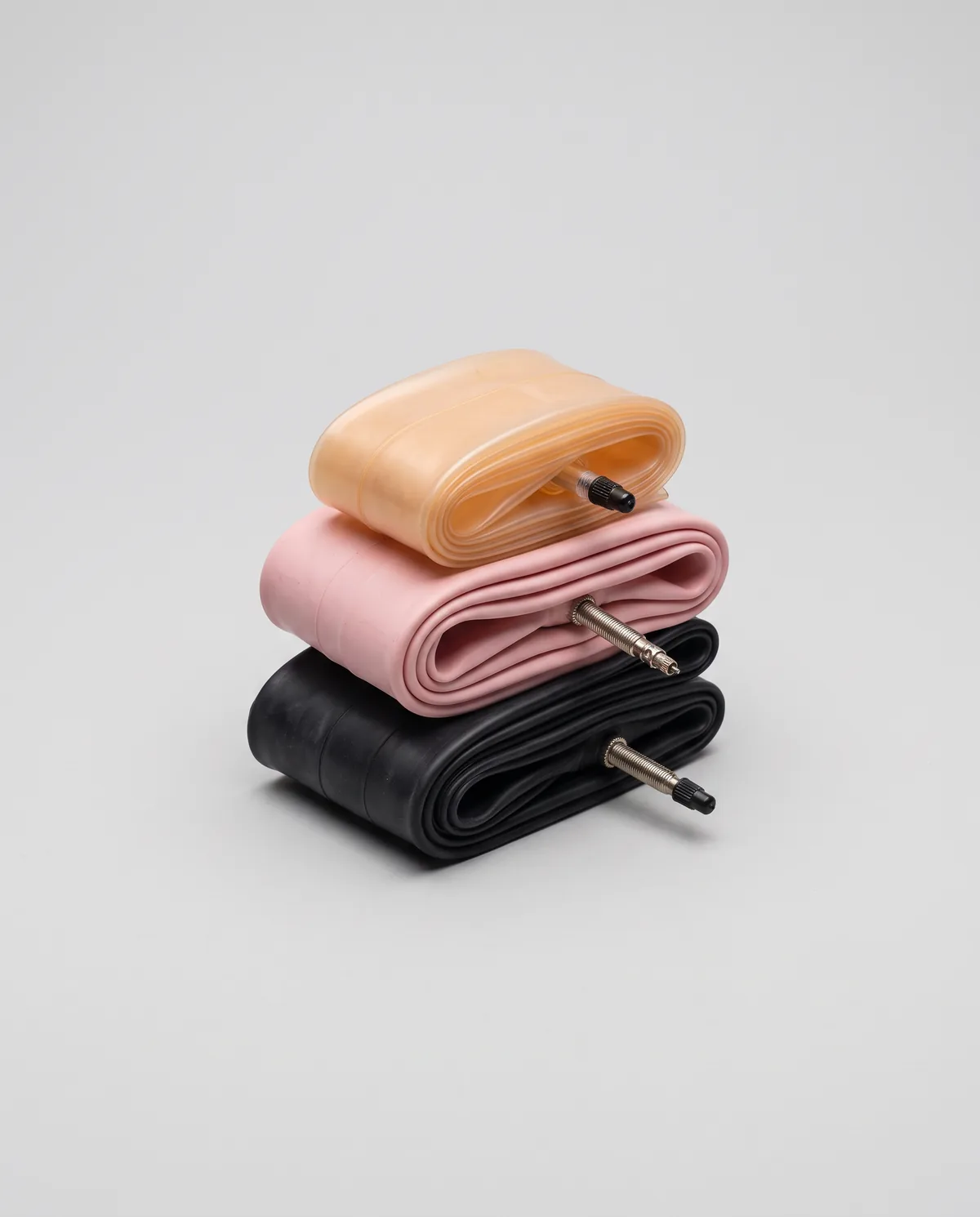
TIRES · 7 MIN
TPU and latex inner tubes: what they’re worth over butyl
The calculator puts TPU or latex tubes at about 1'10" faster than butyl on the example road ride, for €40. What the tests say about weight and air loss.
Read the guide →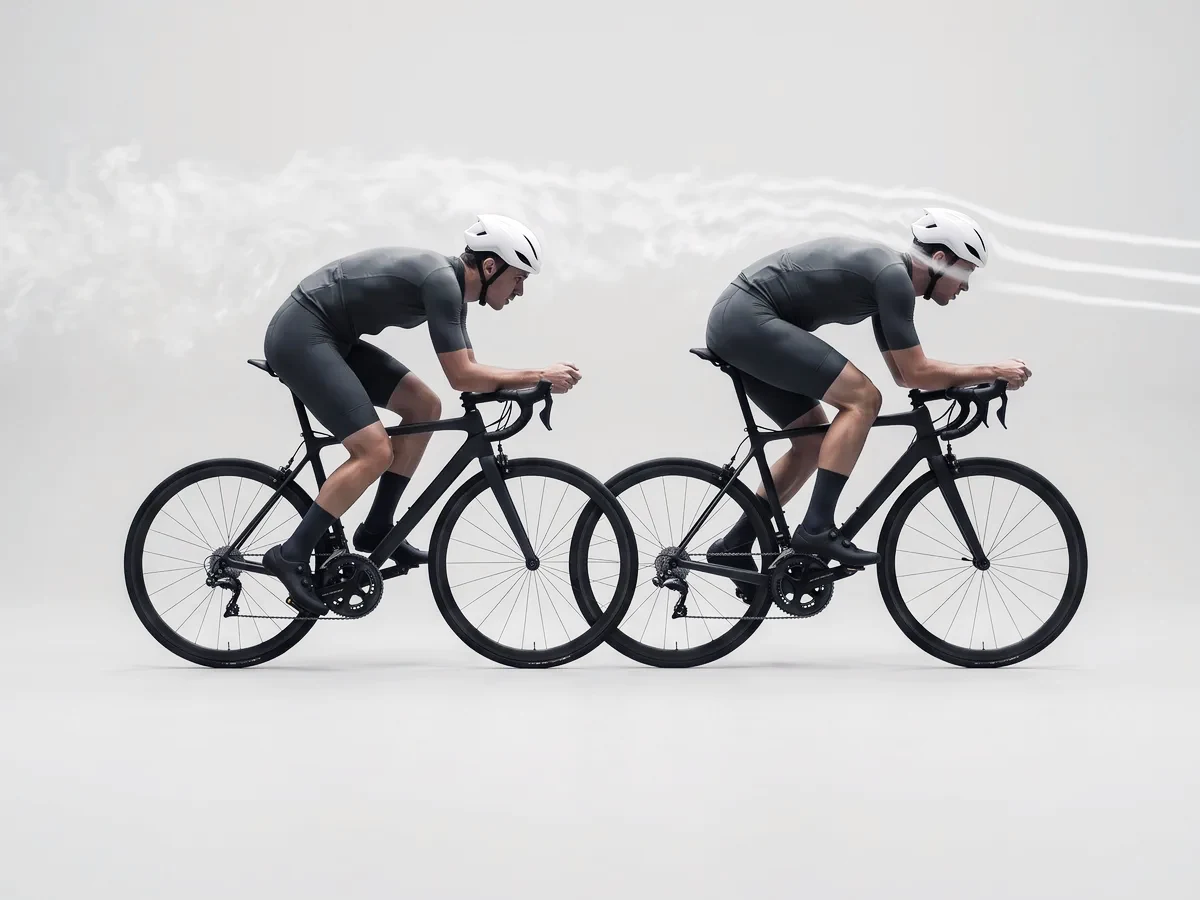
AERODYNAMICS · 8 MIN
Drafting: how much air you save
Sitting behind another rider cuts air resistance by 38–41%, and by up to 90–95% in the middle of a big group. Here’s what it’s worth and how to do it safely.
Read the guide →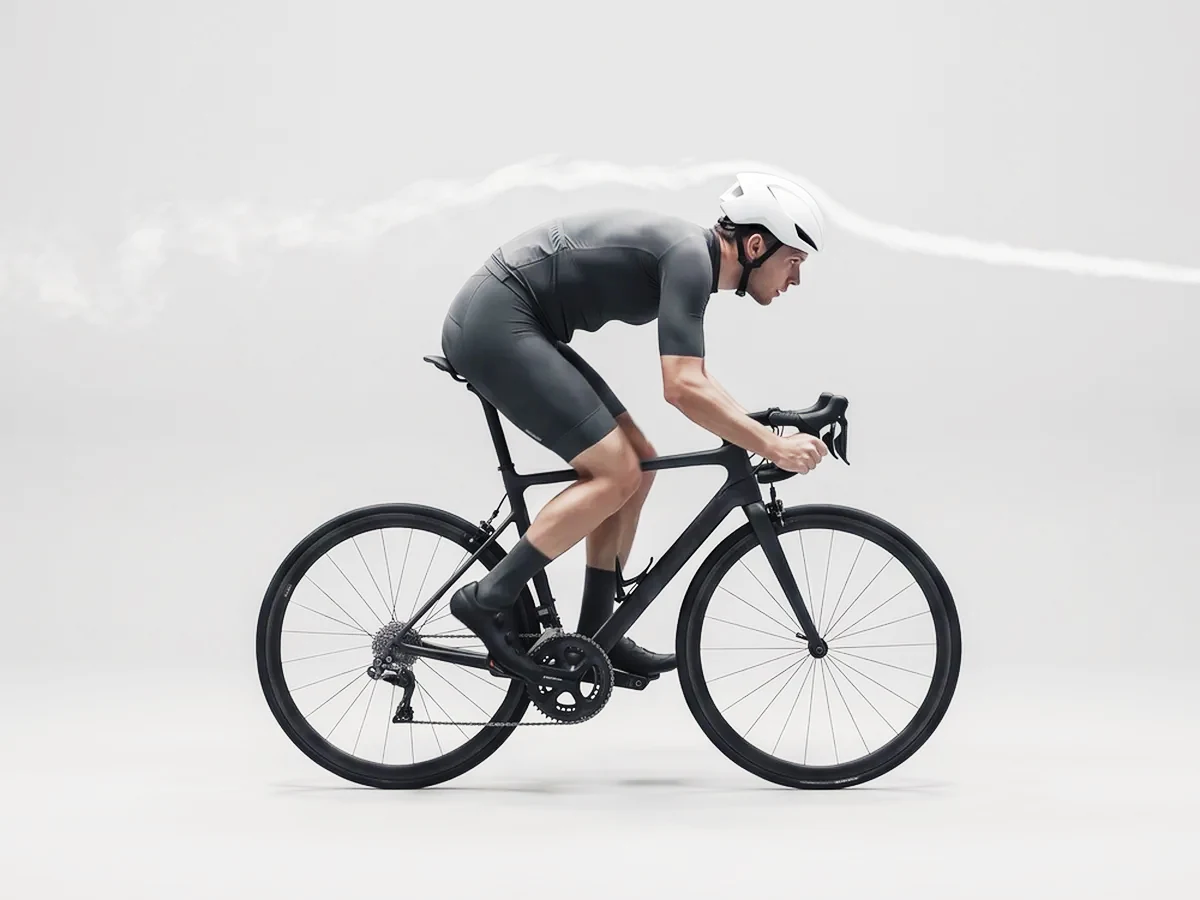
AERODYNAMICS · 7 MIN
Riding position: what a low torso is worth
The rider makes up about 80% of the drag, and going from upright to the drops can cut it by 15–20%. Here’s what that’s worth and why some riders lose watts.
Read the guide →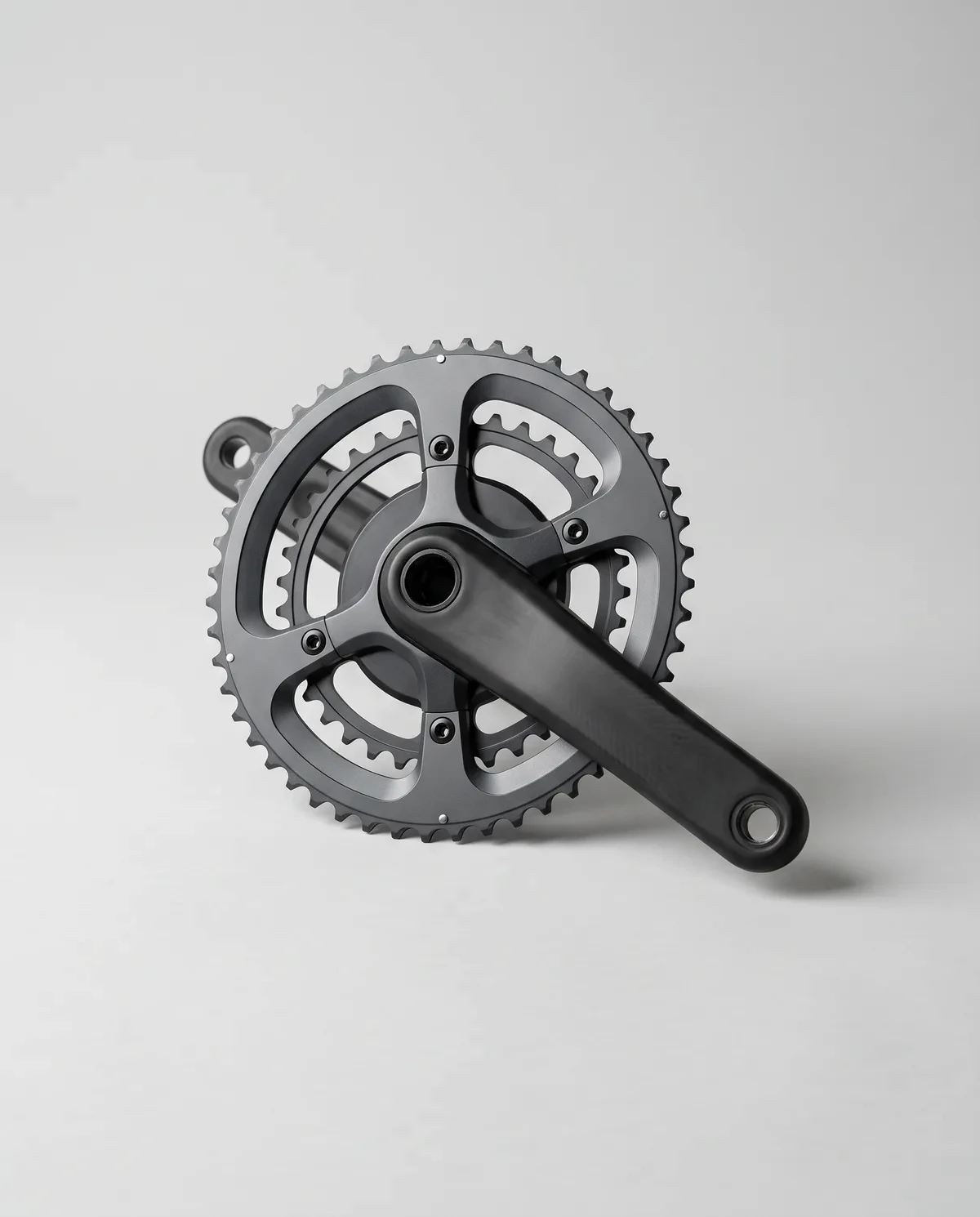
AERODYNAMICS · 6 MIN
How many watts you need at 30, 35 and 40 km/h
On the flat, a road bike needs about 174 W for 30 km/h (19 mph), 260 W for 35 (22 mph) and 372 W for 40 (25 mph). Road and gravel tables inside.
Read the guide →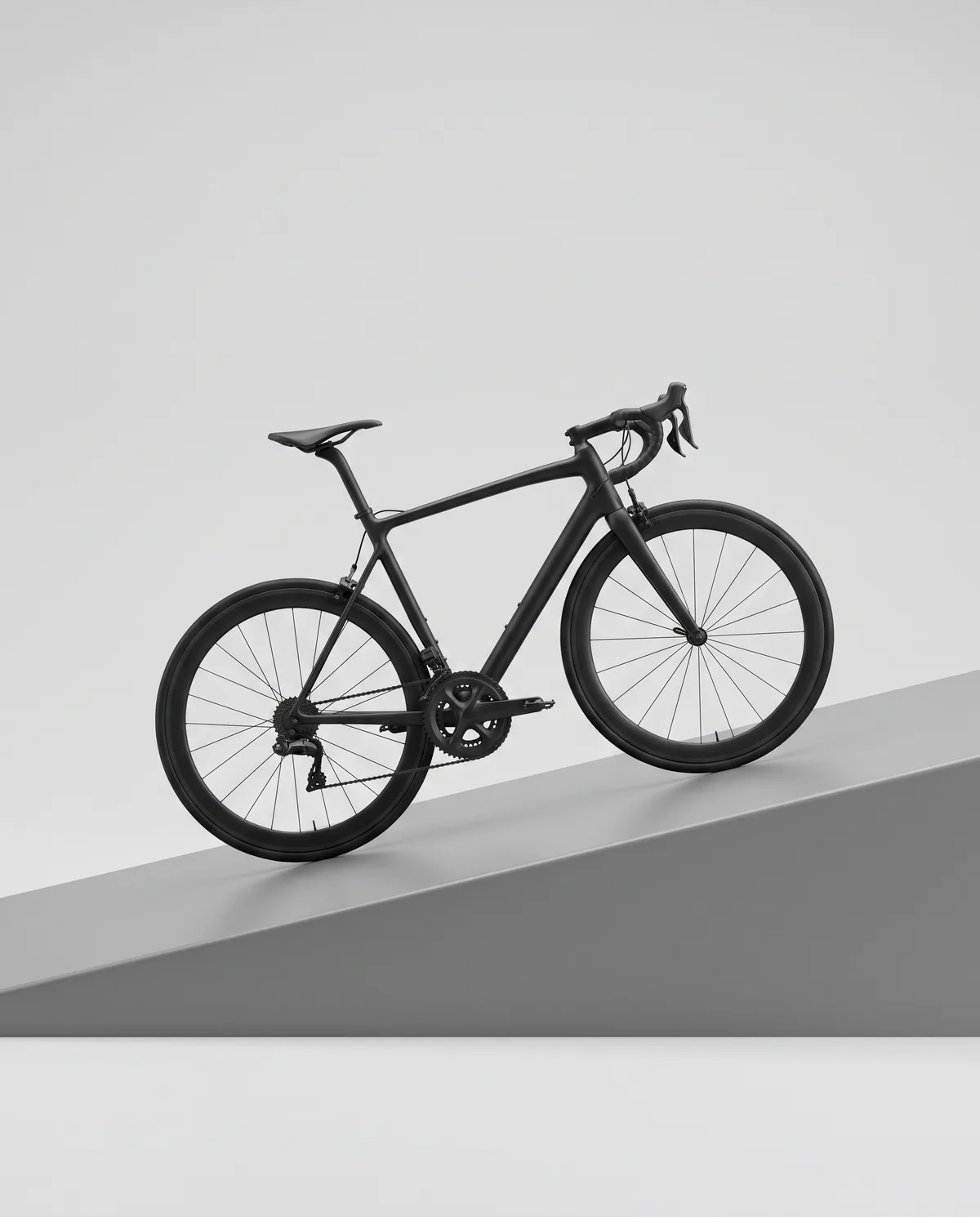
CLIMBING · 7 MIN
How many watts you need to climb
At 8% and 12 km/h (7 mph), a 74 kg (163 lb) rider needs about 249 W, or 3.4 W/kg. Tables by grade, speed and weight, plus times on a 5 km (3.1 mi) climb.
Read the guide →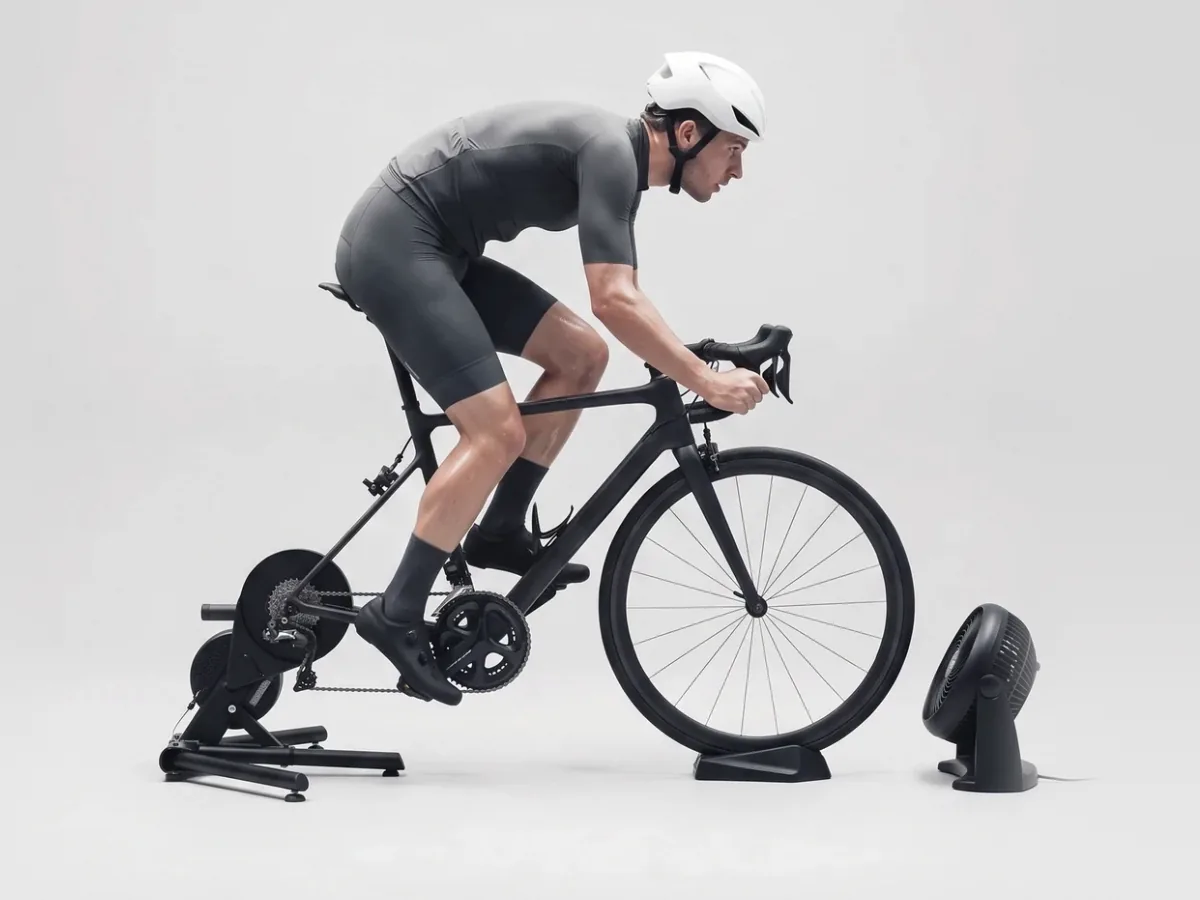
TRAINING · 7 MIN
FTP and W/kg: what they are and what counts as good
What FTP is, how to work out watts per kg, the tables by level and age with their limits, and how to do the 20-minute, 8-minute or ramp test.
Read the guide →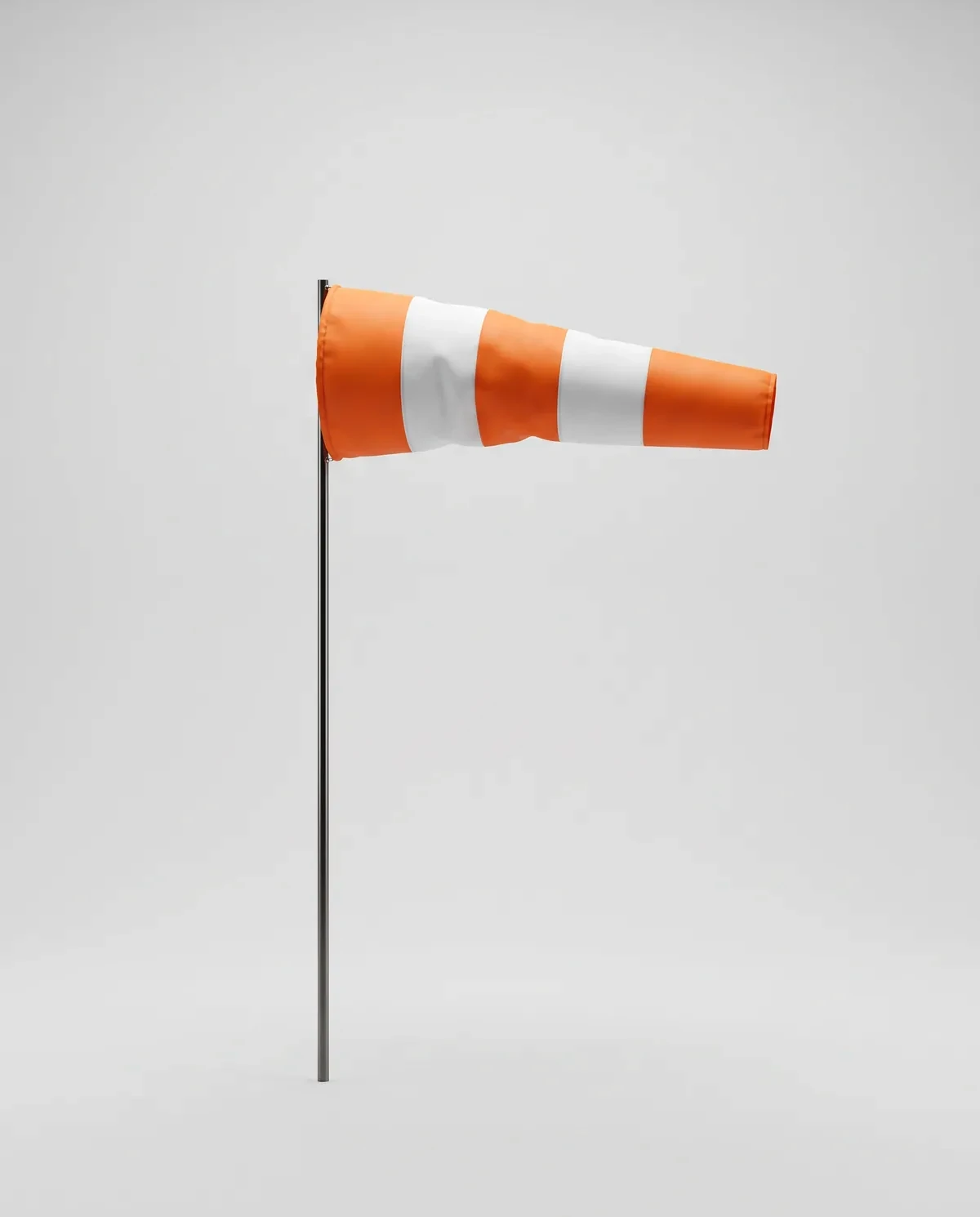
AERODYNAMICS · 5 MIN
Wind: what a headwind costs you
With a 10 km/h (6 mph) headwind, holding 30 km/h (19 mph) takes about 279 W instead of 174. Here’s what wind costs you on an out-and-back ride.
Read the guide →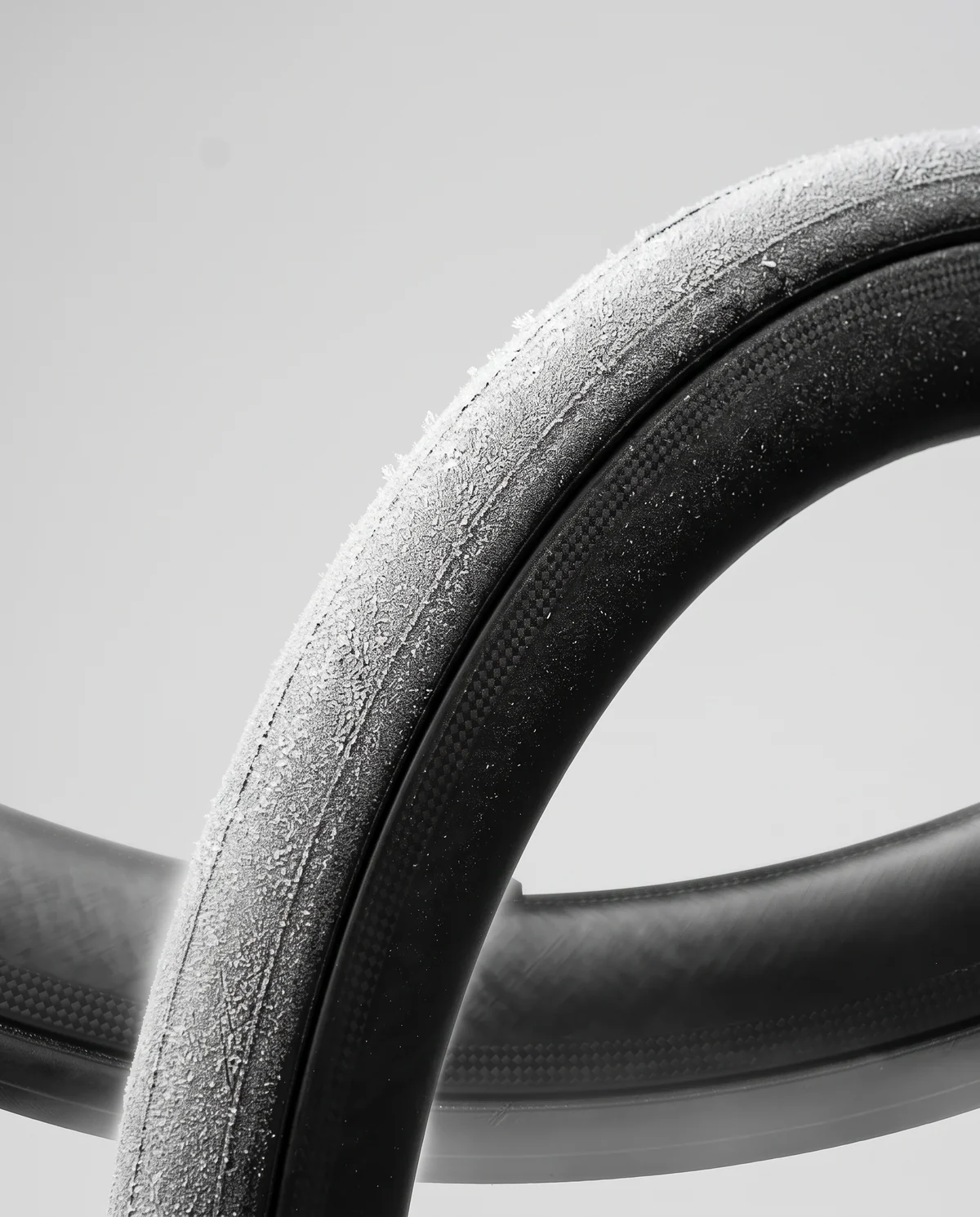
CONDITIONS · 9 MIN
How much slower you ride in winter
At 5 °C (41 °F) on the same watts, our example road ride takes about 8 minutes longer than at 20 °C (68 °F). Here’s what cold air, tires and clothes cost you.
Read the guide →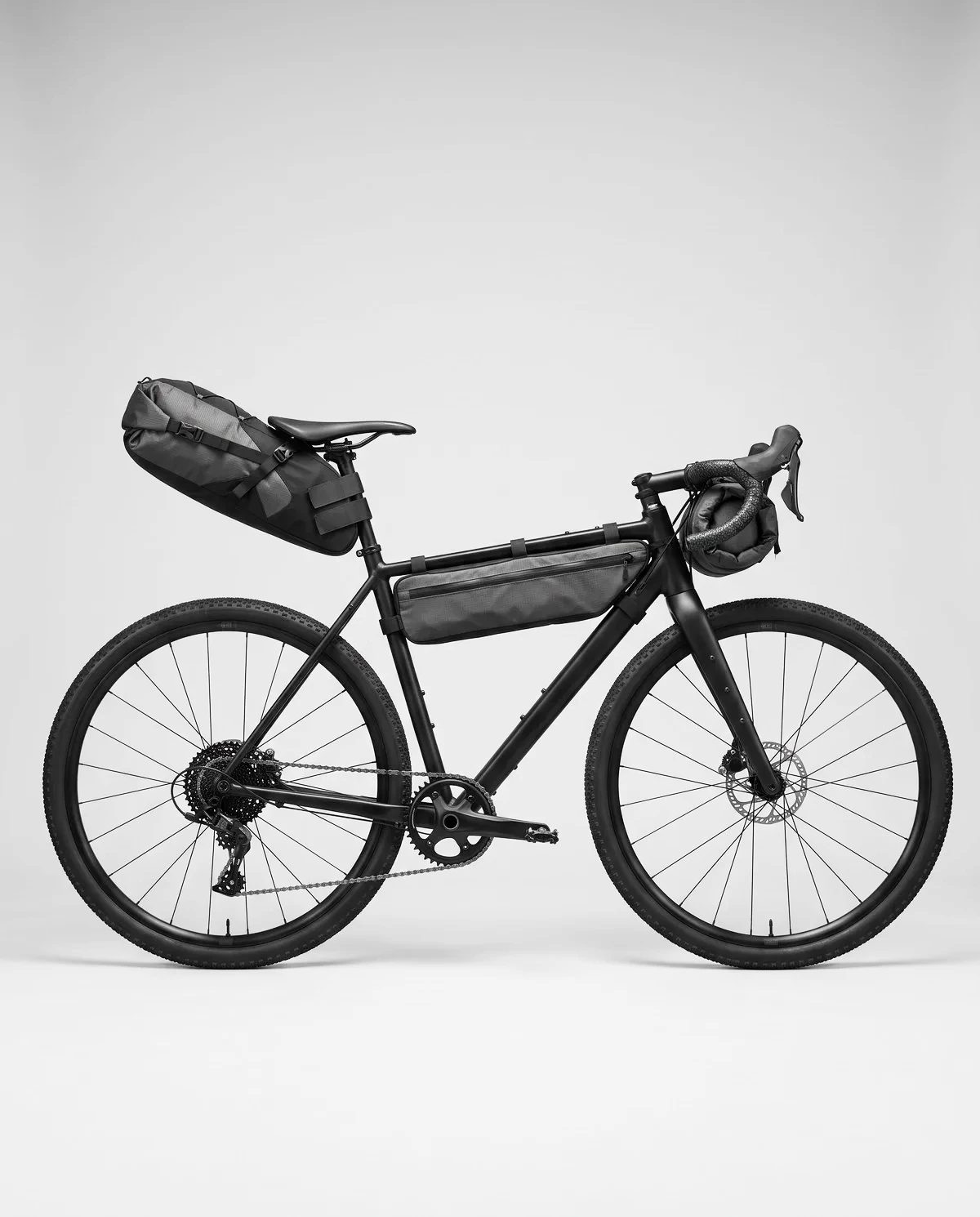
AERODYNAMICS · 7 MIN
Bikepacking bags: how much they slow you down
A wide handlebar roll and panniers cost you time, and a seat pack costs almost nothing. What the tests say and what it adds up to over 100 km (62 mi).
Read the guide →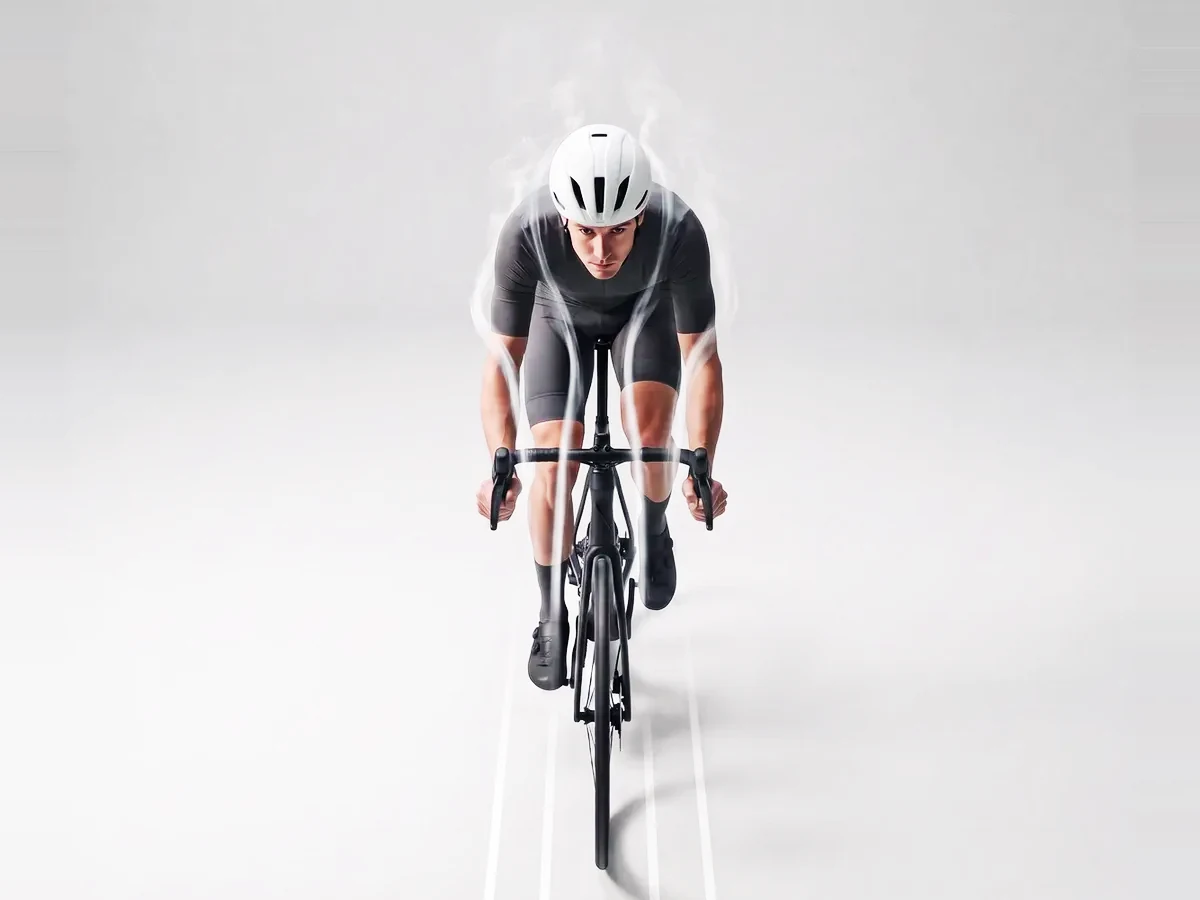
AERODYNAMICS · 7 MIN
CdA: what it is and how it’s measured
CdA is how much the air slows you down: 0.24 to 0.36 m² on a road bike in the wind tunnel. Cutting 0.01 m² saves about 1'10" on the example ride.
Read the guide →
TIRES · 6 MIN
Crr: what rolling resistance is
Crr is how much a tire holds you back as it rolls. On stock tires at 25 km/h (16 mph), rolling resistance costs about 32 W. Here’s how to read the tests.
Read the guide →
TIRES · 13 MIN
25, 28, 30 or 32 mm tires: which rolls faster
25, 28, 30 or 32 mm tires: at the right pressures they roll almost the same. Drum tests, tubeless, rim width, weight and drag.
Read the guide →
WEIGHT · 8 MIN
Rider weight or bike weight: which matters more
To physics a kilo is a kilo. On you or on the bike, it’s worth about 35 seconds on the example ride, almost all of it uphill. Here’s where weight counts.
Read the guide →
BUDGET · 5 MIN
Upgrades under €50: which ones save you time
The calculator puts tubeless plus a waxed chain at about 3'22" on the example gravel ride, for €95. We also list other upgrades under €50 and some free fixes.
Read the guide →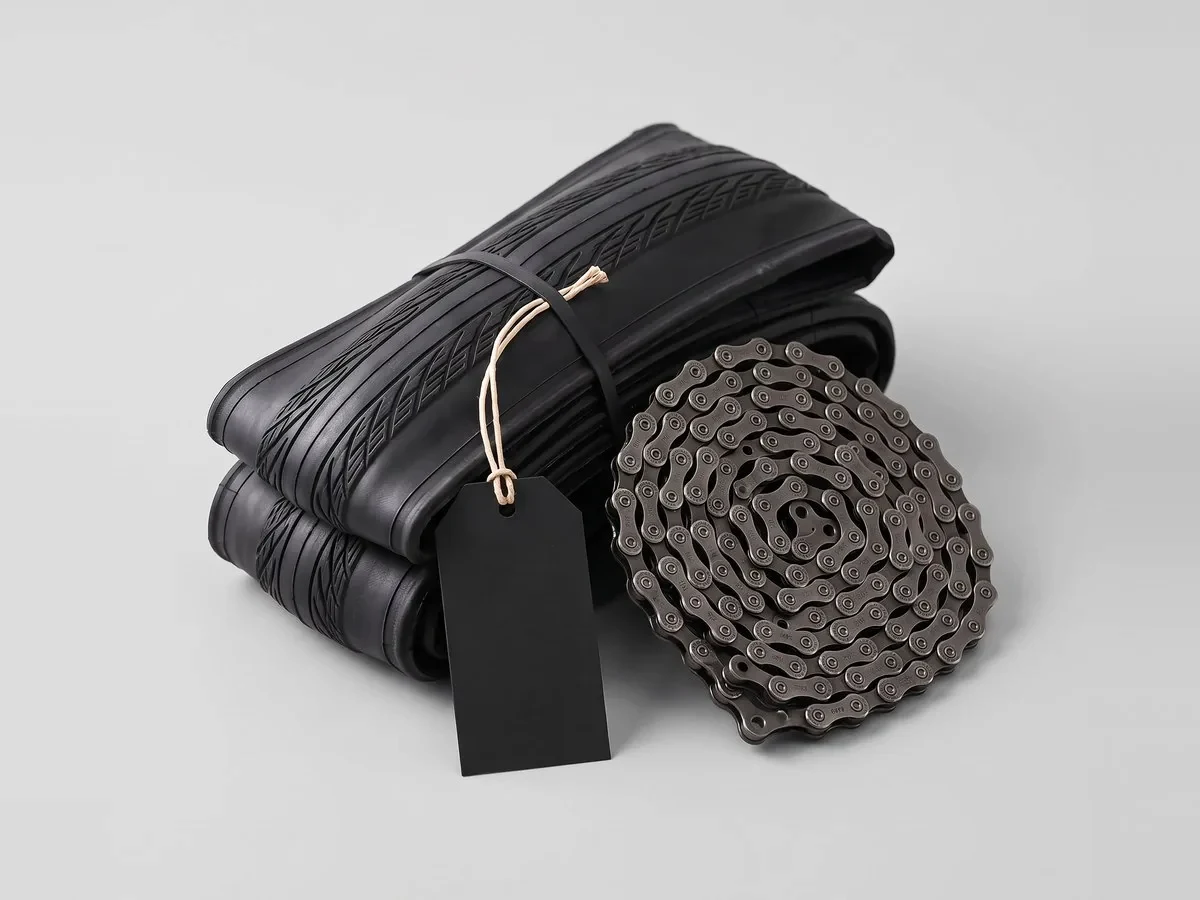
BUDGET · 4 MIN
Black Friday 2026: which upgrades are really worth it
A discount doesn’t change how many seconds an upgrade is worth, only what you pay. What to buy with €100, €300 and €1,000, and what to skip.
Read the guide →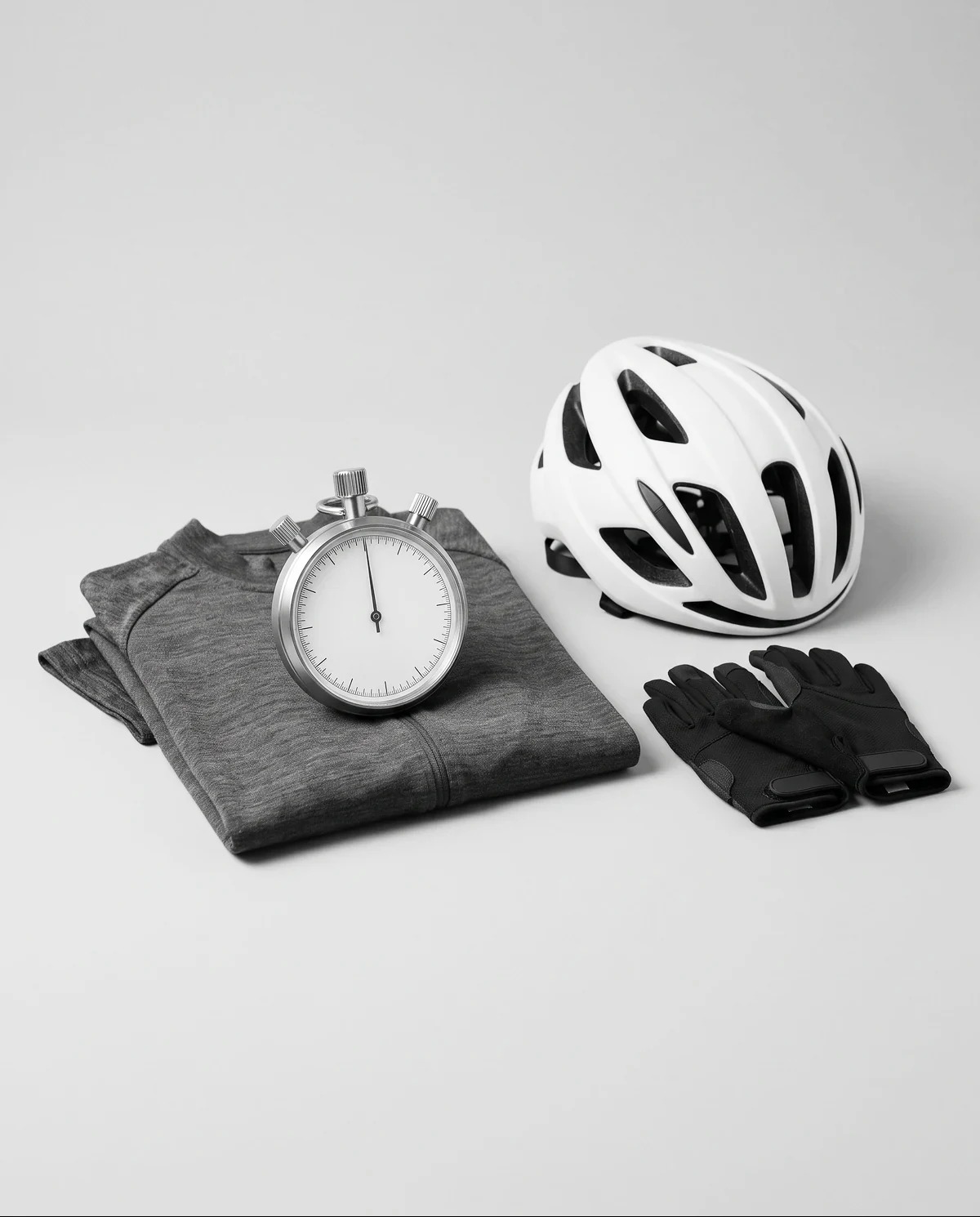
AERODYNAMICS · 7 MIN
Average speed on a road bike: how fast you go and what affects it
At 150 W on the flat with no wind, you ride about 28 km/h (17 mph), or 24 on an 80 km ride with 900 m of climbing. Tables, Strava data and what affects speed.
Read the guide →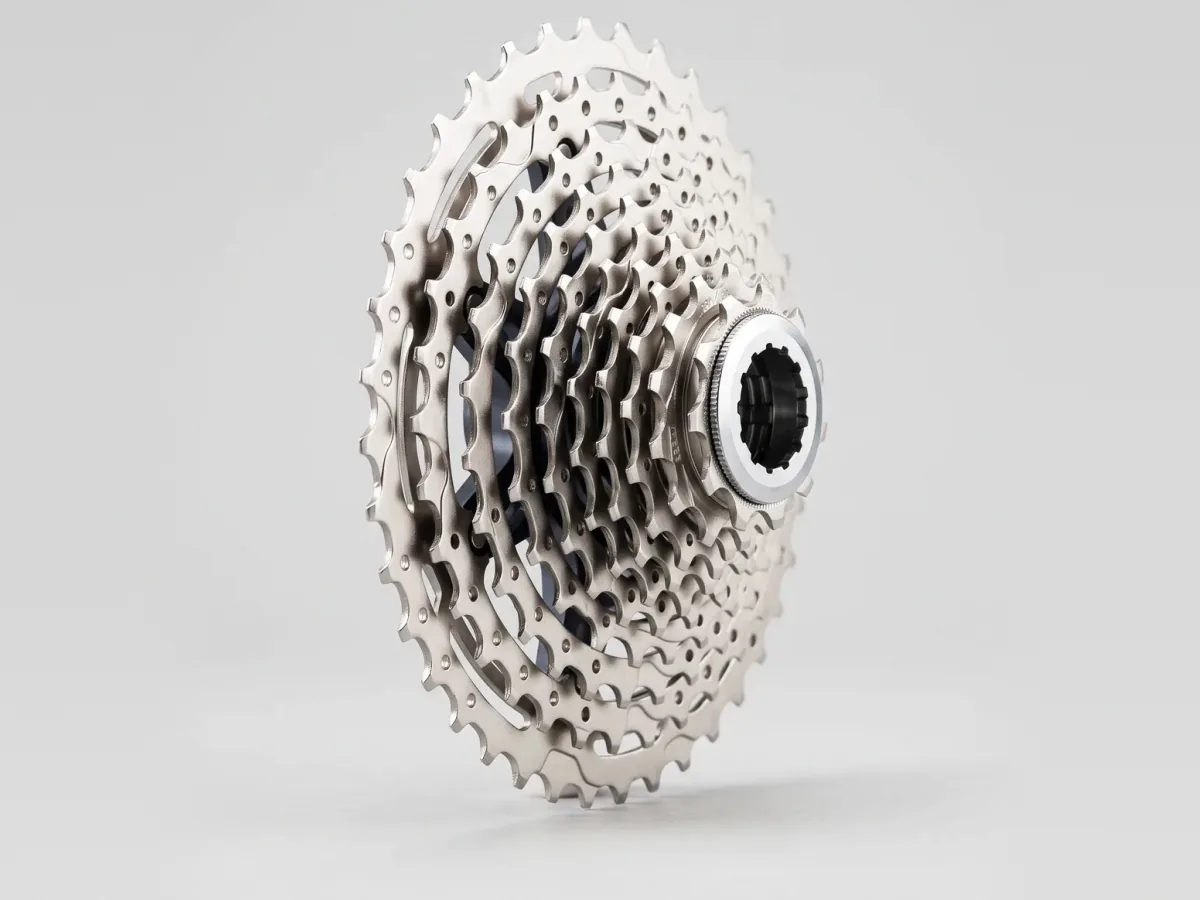
DRIVETRAIN · 7 MIN
Road bike gearing: 50/34, 52/36 and which cog for climbing
With 34×34 at 8% and 200 W, you pedal at 76 rpm, and with 39×28 at 55. Rollout, climbing cadence and your speed in the hardest gear.
Read the guide →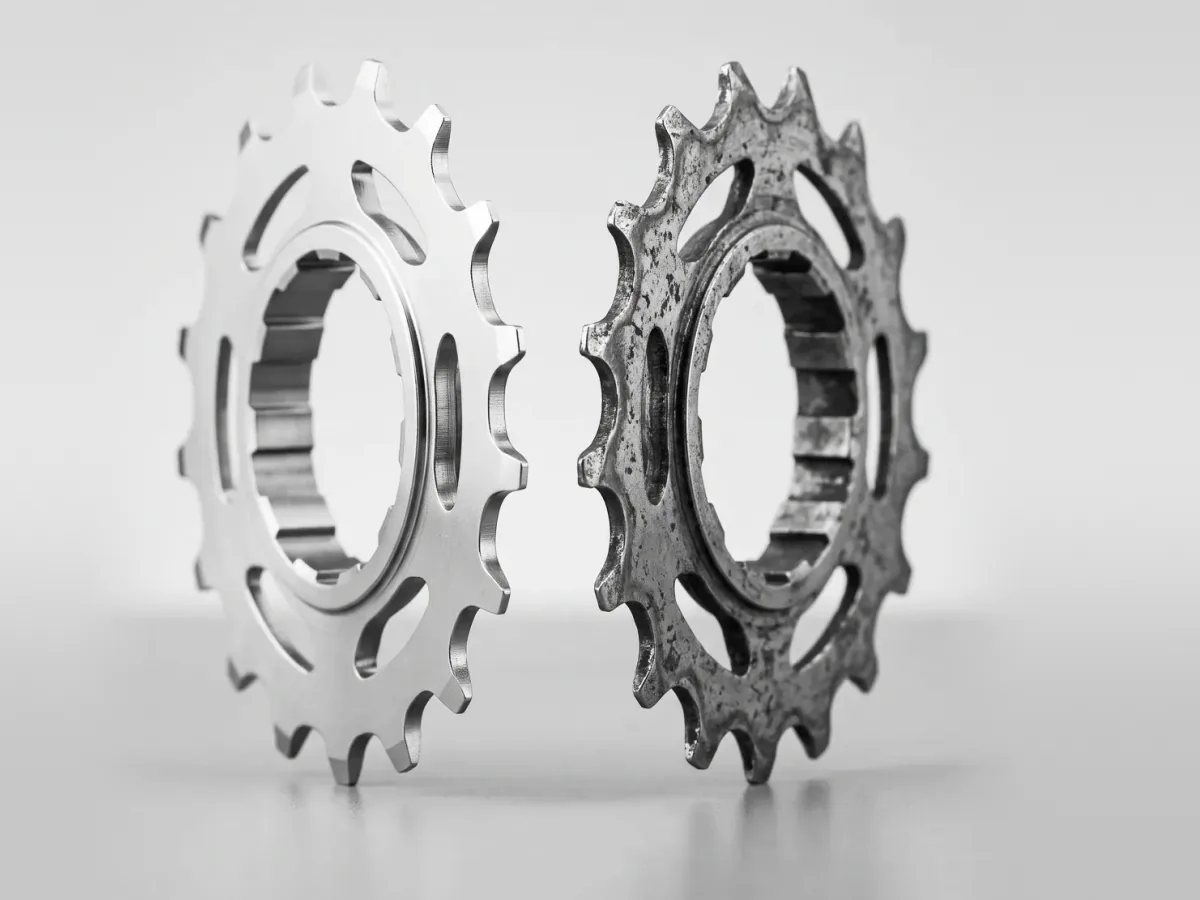
DRIVETRAIN · 6 MIN
Bike chain: when to replace it and how to measure wear
On 11-speed and up, replace the chain at 0.5% elongation, and on 10-speed and below at 0.75%. Here’s how to measure wear and how long a chain lasts.
Read the guide →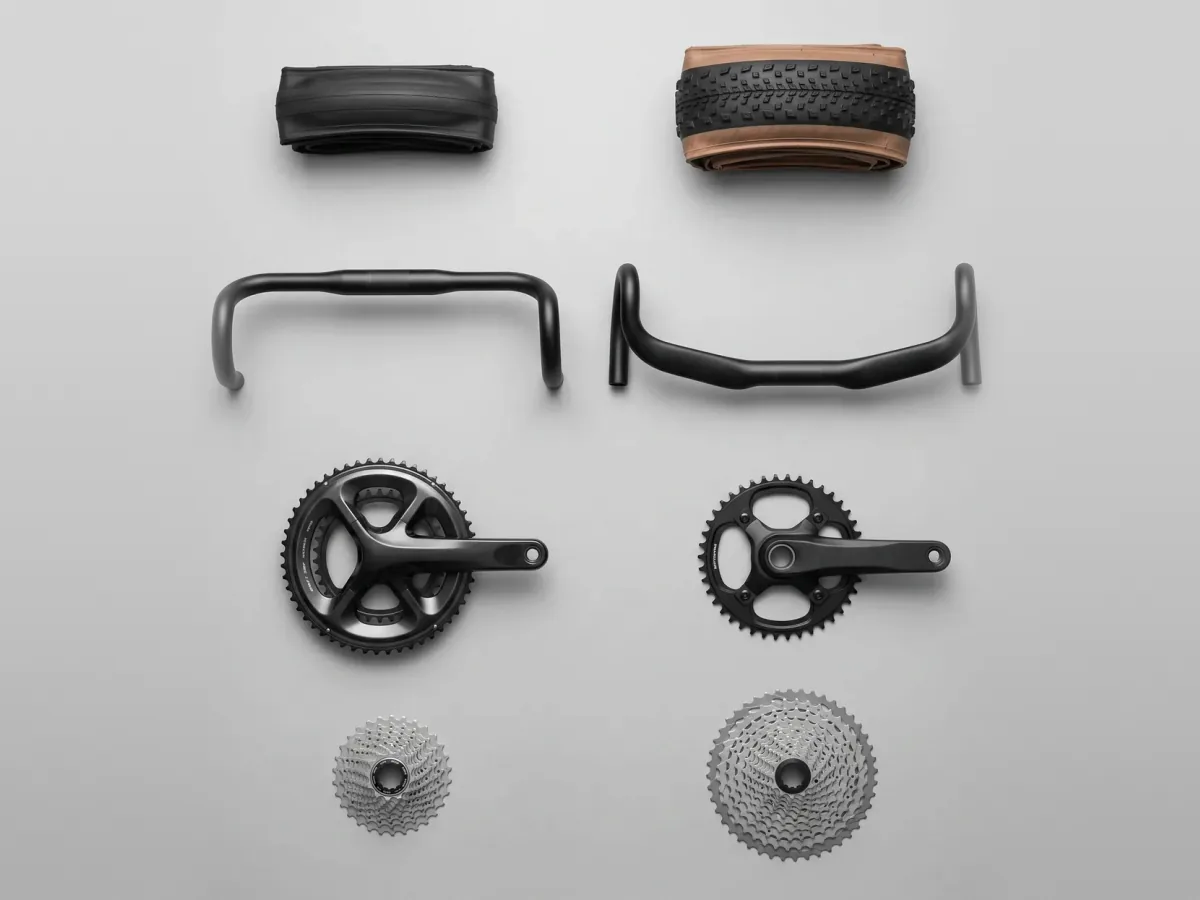
GRAVEL · 6 MIN
Gravel bike vs road bike: how much slower a gravel bike is on the road
On the flat at 275 W the road bike was 1.24 km/h (0.77 mph) faster, and uphill almost the same. On the example ride the gravel bike is about 7 minutes slower.
Read the guide →
TIRES · 6 MIN
Road bike tire pressure: where to start
Pumping your tires to the max doesn’t make you faster. A starting tire pressure, the limits of hookless rims and how to measure pressure accurately.
Read the guide →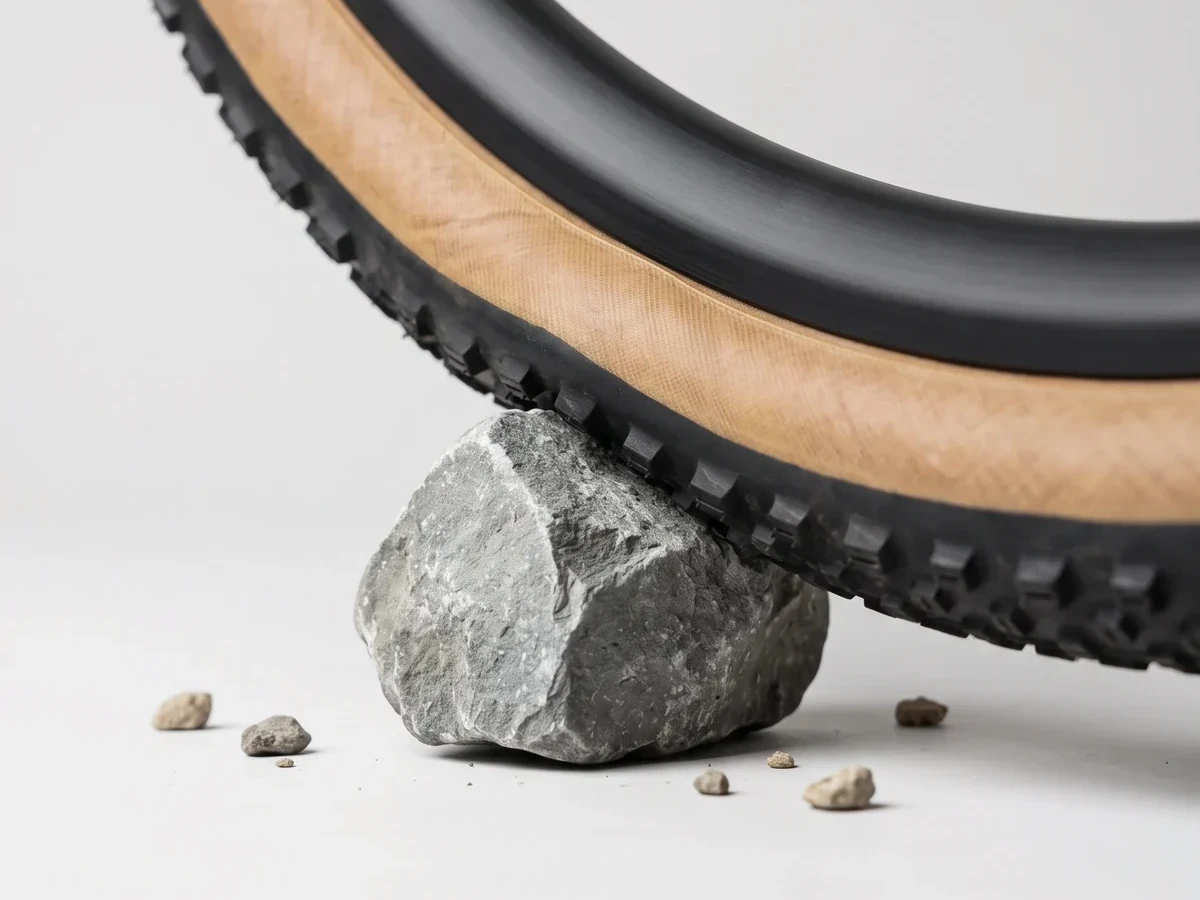
GRAVEL · 6 MIN
Gravel tire pressure: where to start
A starting pressure for gravel tires, how to adjust it for your weight, the limits of hookless rims and how to find the right pressure for you.
Read the guide →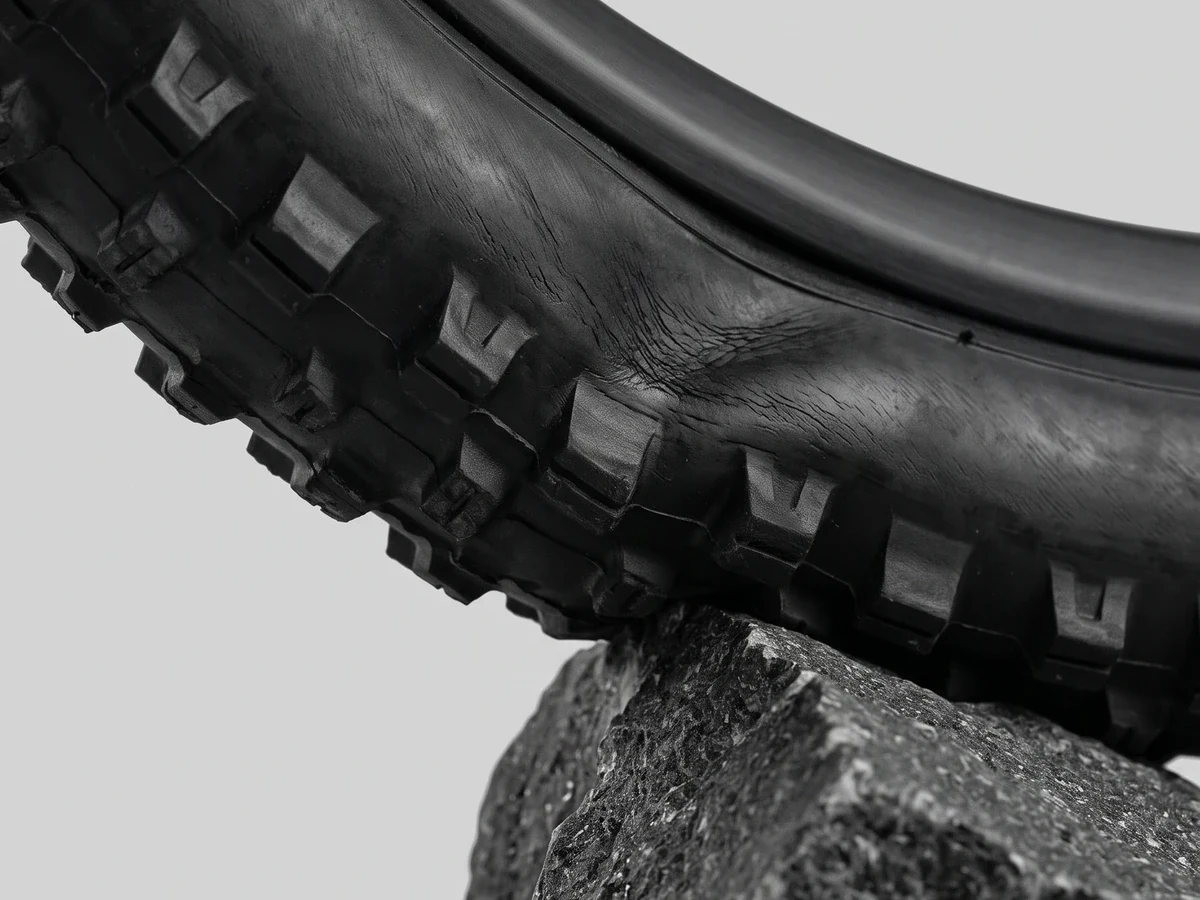
MTB · 6 MIN
MTB tire pressure: where to start
A starting pressure for MTB tires in XC, trail and enduro, how to adjust it for your weight and how to find the right pressure for you.
Read the guide →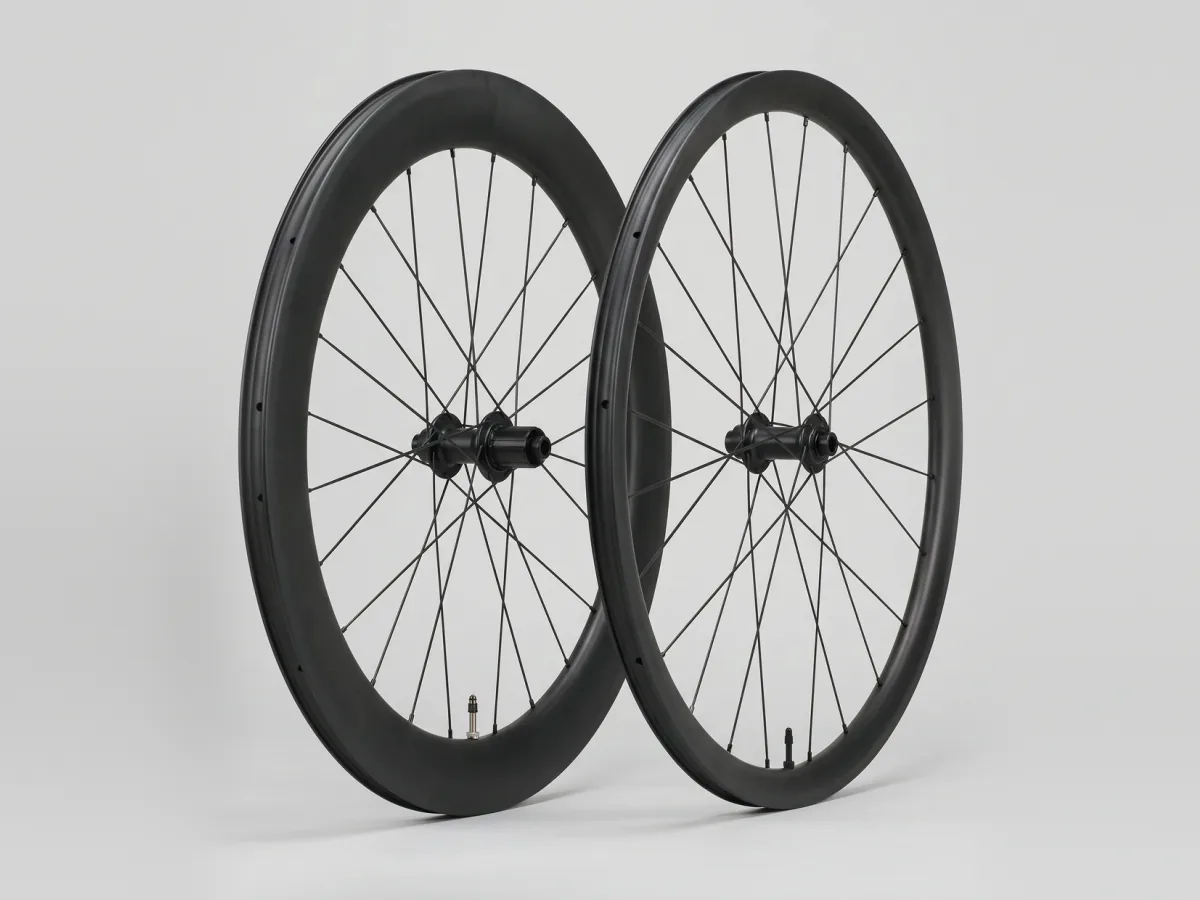
WHEELS · 7 MIN
Deep or light wheels on climbs: the grade where weight wins
Aero or lightweight wheels for climbing? By our numbers, light wheels are only faster above 2–5% at 250 W. Here are the tests and the numbers, grade by grade.
Read the guide →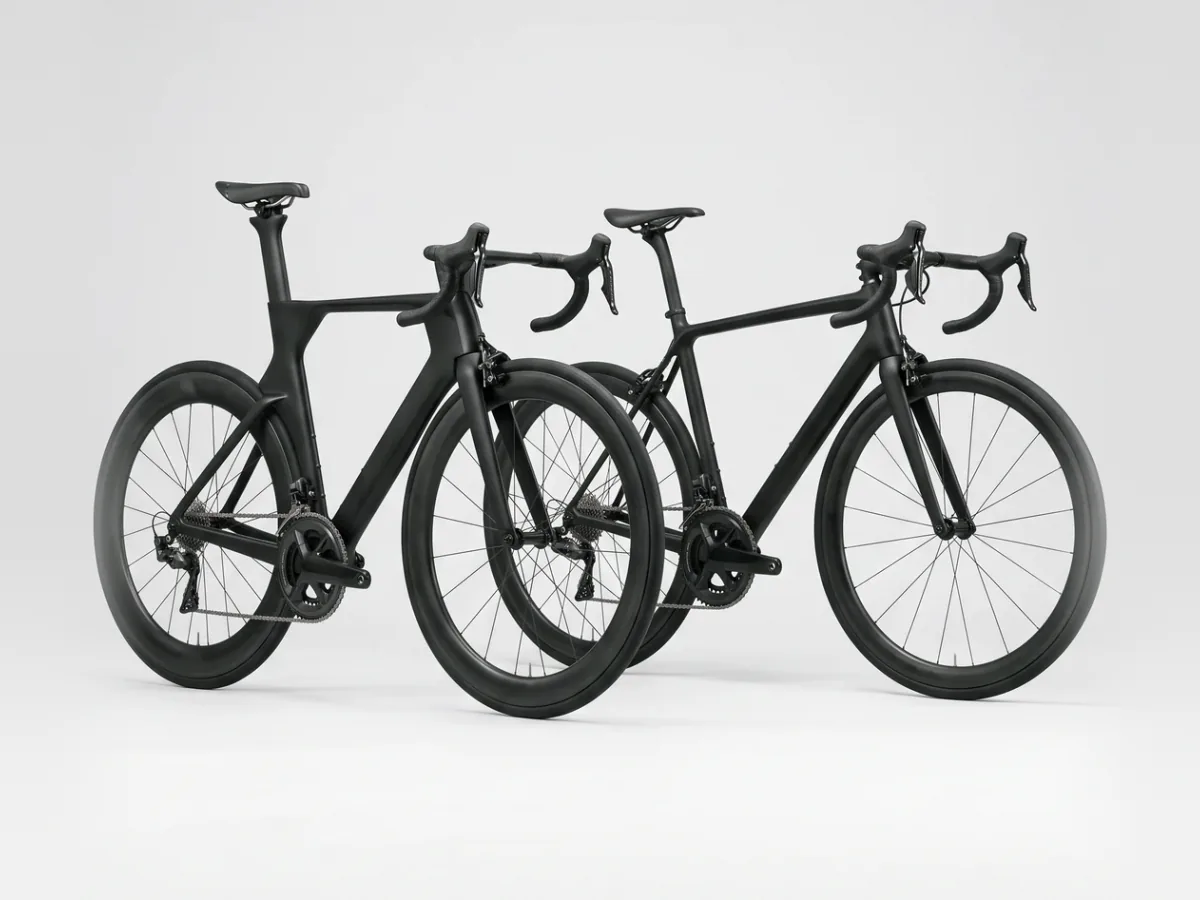
AERODYNAMICS · 8 MIN
Aero or endurance bike: the real difference in minutes
Aero or endurance bike? By our numbers, an aero bike saves 2–4 minutes over 80 km (50 mi), but riding upright costs more than 4. The tests and the math.
Read the guide →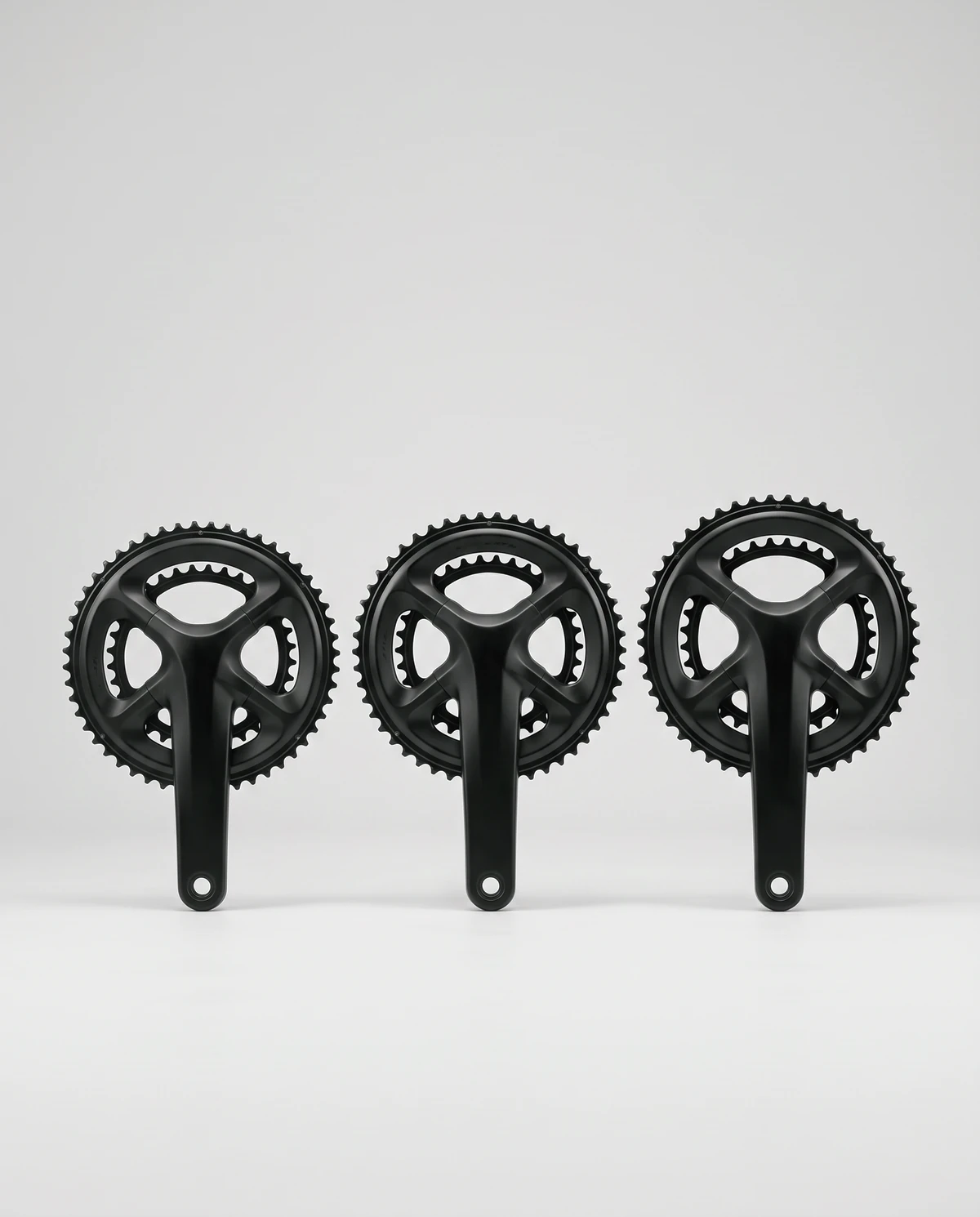
DRIVETRAIN · 5 MIN
165, 170 or 172.5 mm cranks: which to choose
Crank length: 165, 170 or 172.5 mm? Studies find no difference in power or efficiency. What changes is how your hip and knee move. Here’s how to choose.
Read the guide →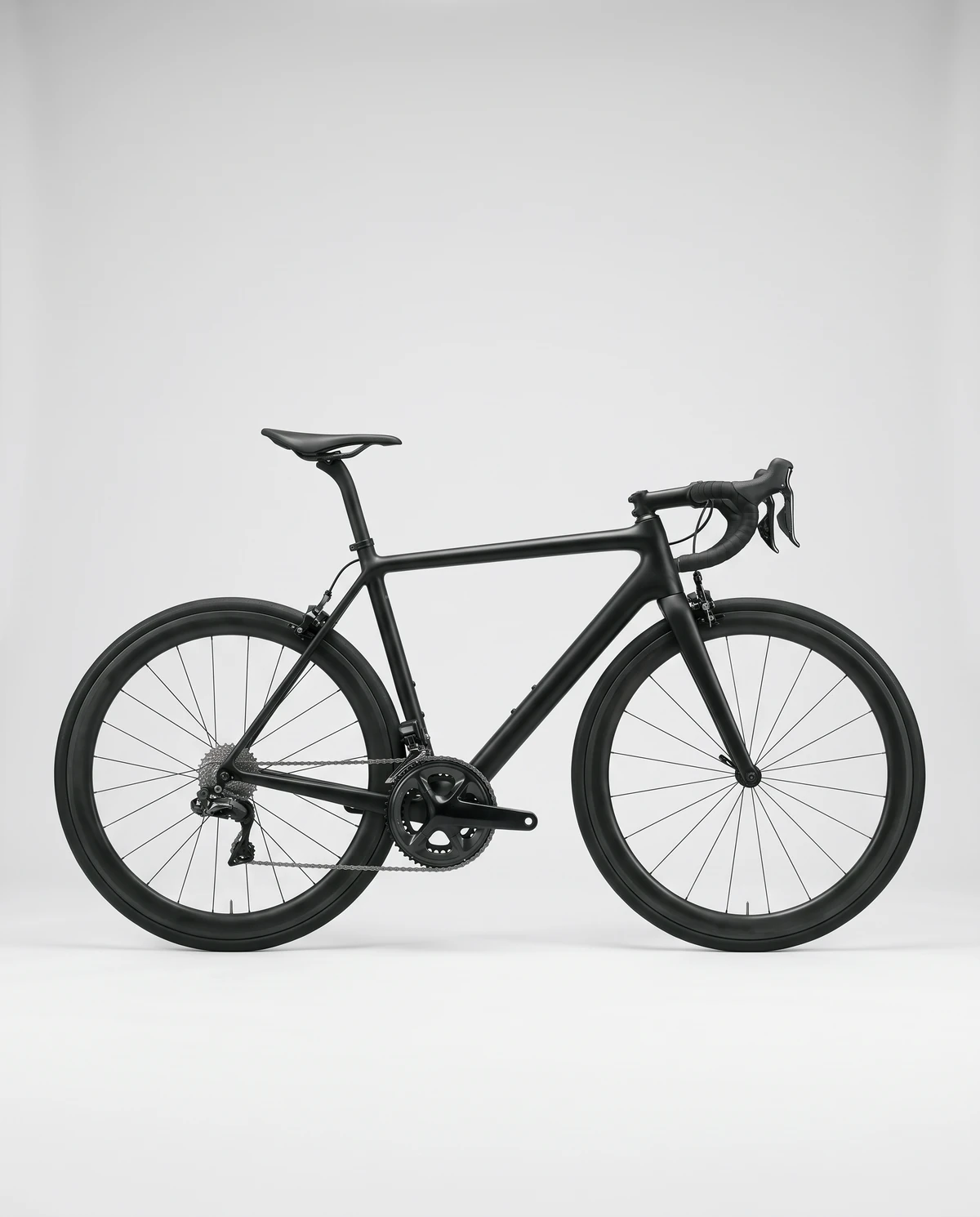
WEIGHT · 5 MIN
How much a road bike weighs: the real weights and how much they matter
How much does a road bike weigh? From the 6.8 kg (15 lb) UCI limit to over 9 kg (20 lb) for €1,000 bikes. Measured weights and the seconds each kilo is worth.
Read the guide →
DRIVETRAIN · 7 MIN
Ideal cycling cadence: how fast to pedal
What cadence should you ride? Trained cyclists settle on about 90 rpm on their own, and pros climb at 71. Here’s what the studies say.
Read the guide →
TRAINING · 5 MIN
Calories burned cycling: how to work them out from kJ
How many calories do you burn cycling? Divide the kJ from your power meter by 4.184 and by your efficiency, about 20–25%. At low watts the 1:1 rule runs low.
Read the guide →
TRAINING · 5 MIN
Cycling power zones: the 7 zones in watts
Cycling power zones: Coggan’s 7 zones as a % of FTP and in watts. Zone 2 is 56–75%. How they feel, how fast they take you on the flat and how to use them.
Read the guide →
TRAINING · 4 MIN
VAM in cycling: what it is and how yours compares
What VAM is in cycling and how to calculate it. At 3.5 W/kg on an 8% grade the model gives about 1,000 m/h. Pros climb at 1,300–1,800. How grade changes it.
Read the guide →
MTB · 9 MIN
Average mountain bike speed: how fast you go and what affects it
At 150 W on the flat you go about 20 km/h (12 mph) on loose ground and 25 on pavement, but 13 over 35 km with 900 m up. Tables, races and what affects speed.
Read the guide →NEWSLETTER · FREE
We’ll email you when the numbers change.
We send one email when a new guide comes out or the ranking changes. You can unsubscribe anytime with one click.
Check your inbox.
We’ve sent you a confirmation email. Open it and click “Confirm my subscription” to sign up. If you can’t find it, check your spam or promotions folder.
Preview: the newsletter service isn’t connected yet, so no email was sent.
That address doesn’t look right. Check it and try again.
Something went wrong. Try again in a moment or write to us at info@marginelab.com.
EXAMPLE RESULT, ROUGHLY
−6'50"